
Michigan’s craft beverage scene is a powerhouse, blending tradition with innovation across breweries, distilleries, and wineries. With over 400 breweries ranking sixth nationwide and a wine industry that supports tens of thousands of jobs, these businesses form a vital part of the state’s economy and culture. But behind every pint poured and bottle uncorked lies a complex web of risks that require tailored insurance solutions.
Understanding the unique insurance needs of Michigan’s beverage producers is essential for protecting assets, managing liabilities, and ensuring long-term success. This guide dives into the economic footprint of Michigan’s craft beverage industry and explores the insurance coverages that matter most for breweries, distilleries, and wineries.
The Economic Impact of Michigan’s Craft Beverage Industry
Michigan’s beer industry alone had an economic impact of nearly $9.9 billion in 2020, supporting over 66,000 jobs across breweries, distributors, and retailers. The state produced more than 900,000 barrels of beer that year, ranking tenth nationally in production volume per barrel. With 400 breweries statewide, Michigan stands as a top contender in the craft beer market according to the National Beer Wholesalers Association and the Beer Institute.
The wine industry is similarly impressive, generating close to $8.96 billion in total economic activity in 2025. It includes 279 wine producers cultivating over 13,000 acres of vineyards. This sector directly employs more than 28,000 people and supports nearly 53,000 jobs when including suppliers and ancillary businesses. Wages and benefits in the wine industry exceed $2.7 billion, and wine tourism attracts over 1.7 million visitors annually, contributing more than $330 million in tourism expenditures as reported by WineAmerica.
Michigan’s craft beverage industry as a whole provides over 25,000 full-time equivalent jobs, paying more than $900 million in wages and benefits. The sector generates nearly $4 billion in economic activity and supports upwards of 41,000 jobs when counting indirect employment. This robust economic footprint underscores why specialized insurance coverage is a must-have for businesses in this space according to the Michigan Craft Beverage Council.
Beyond the direct economic contributions, the craft beverage industry in Michigan fosters a vibrant community culture that celebrates local flavors and craftsmanship. Many breweries and wineries host events, such as festivals and tastings, which not only draw local patrons but also attract tourists from across the country. These gatherings often showcase local musicians and artisans, creating a lively atmosphere that enhances the overall experience for visitors. Additionally, the rise of farm-to-table dining has further intertwined the craft beverage sector with Michigan’s agricultural community, promoting sustainability and supporting local farmers who supply ingredients.
The growth of the craft beverage industry has also spurred innovation and entrepreneurship in Michigan. Many small businesses have emerged, focusing on unique brewing techniques, specialty wines, and artisanal spirits. This entrepreneurial spirit is supported by various local organizations and initiatives aimed at helping new businesses navigate the complexities of starting and operating within this competitive market. As a result, Michigan has become a hub for creativity in beverage production, with many establishments experimenting with flavors that reflect the state’s rich agricultural heritage, such as cherry, blueberry, and other locally sourced fruits.

By: John T. Frye, Jr
Managing Partner at Doeren Mayhew Insurance Group
Key Insurance Considerations for Breweries and Distilleries
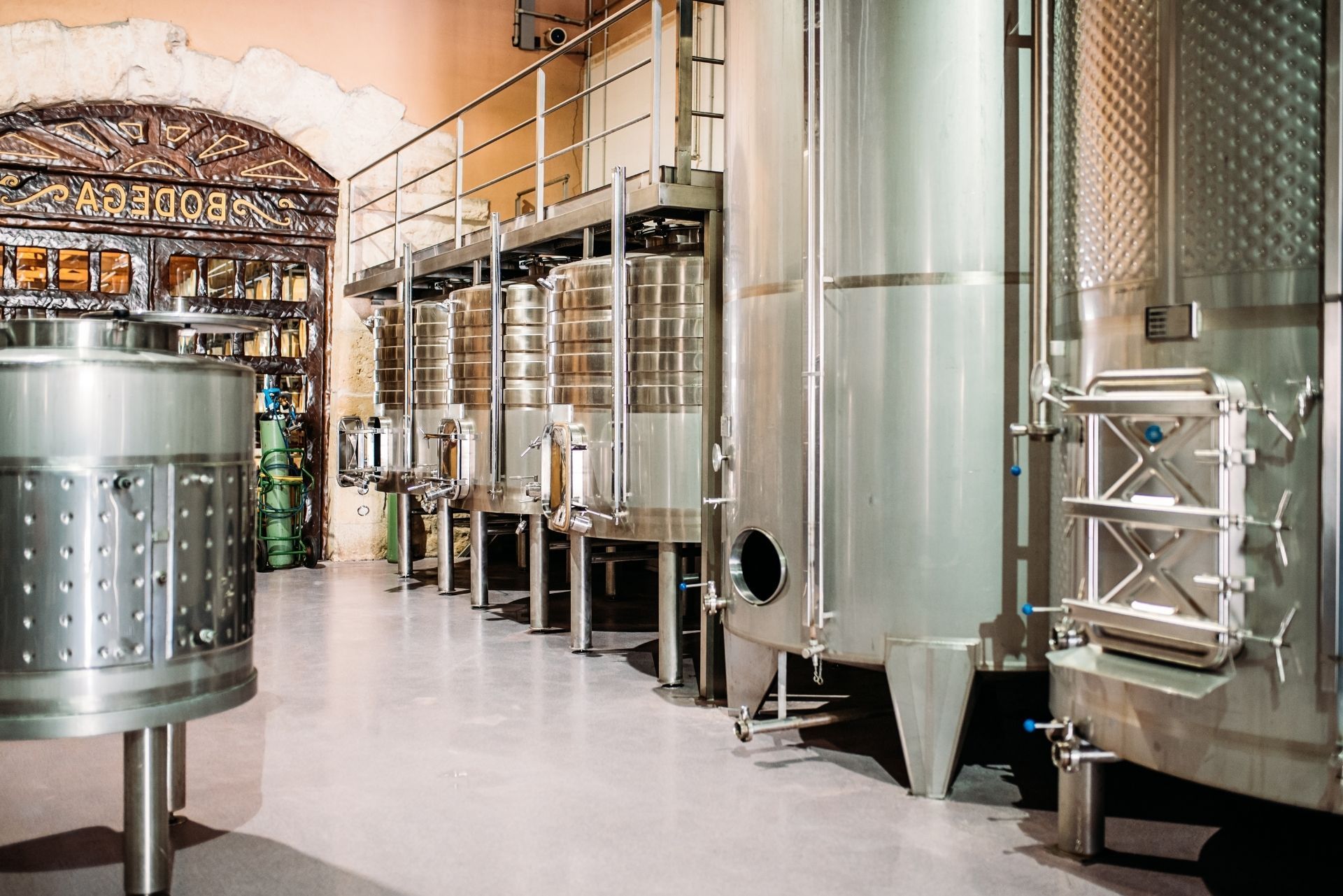
Breweries and distilleries face a unique blend of risks. From raw material sourcing and production to distribution and retail, every step involves potential liabilities. Property damage, equipment breakdown, product liability, and employee safety are just a few areas that demand attention.
One challenge many brewery and distillery leaders cite is managing growth while keeping costs under control. A recent report found that 58% of these leaders see growth as their primary challenge, yet 87% struggle to track costs in real time. This financial uncertainty makes insurance planning even more critical to avoid unexpected losses according to Doozy Solutions Tech Report 2024.
General liability insurance is fundamental, covering claims related to bodily injury or property damage caused by the business operations. Given the risk of product recalls or contamination, product liability insurance is equally vital. Many breweries and distilleries also invest in equipment breakdown coverage, protecting costly brewing and distilling machinery from unexpected failures.
Workers’ compensation insurance is mandatory in Michigan and protects employees injured on the job. Considering the physical nature of brewing and distilling, this coverage is crucial. Additionally, many businesses opt for business interruption insurance to cover lost income if operations halt due to a covered event like a fire or natural disaster.
Energy Efficiency and Sustainability Risks
Energy costs are a significant expense for breweries. A study of Danish breweries showed that implementing energy flexibility measures could save 1.56% on electricity costs annually while cutting roughly 1,745 tonnes of CO2 emissions. While this study is international, it highlights the growing importance of sustainability and operational efficiency in brewery insurance considerations according to the Danish Brewery Study.
Insurance policies may need to adapt to cover new equipment or processes aimed at reducing environmental impact. Businesses investing in green technology should discuss these changes with their insurer to ensure coverage aligns with evolving operations. Furthermore, as consumer demand for sustainable practices increases, breweries and distilleries may find that demonstrating a commitment to environmental responsibility not only enhances their brand image but can also lead to lower insurance premiums. Insurers are increasingly recognizing the value of sustainability initiatives, which can mitigate risks associated with regulatory compliance and potential environmental liabilities.
Additionally, breweries and distilleries should consider the implications of supply chain disruptions, particularly in sourcing raw materials such as hops and grains. Natural disasters and climate change can affect crop yields, leading to potential shortages and increased costs. Having a comprehensive insurance strategy that includes coverage for supply chain interruptions can safeguard against the financial fallout of these unpredictable events. By proactively addressing these risks, businesses can better position themselves for long-term success in a competitive market.
Insurance Needs Unique to Michigan Wineries
Michigan’s wine industry is a major economic driver with nearly $9 billion in projected impact by 2025. The industry’s 279 producers and extensive vineyards create a complex risk environment. Wineries face hazards ranging from crop loss due to weather to liability from tastings and events on site.
Crop insurance is a critical component for vineyards, protecting against losses from frost, hail, or disease. Property insurance covers winery buildings, equipment, and inventory, while liquor liability insurance addresses risks associated with serving alcohol on premises.
Wineries also benefit from event insurance, as many host weddings, festivals, and tours that draw significant tourist traffic. The Michigan wine industry attracts 1.73 million visitors annually, generating over $330 million in tourism expenditures. This volume of guests increases exposure to liability claims, making comprehensive event coverage essential according to WineAmerica.
In addition to these essential coverages, wineries must also consider the unique risks associated with their specific operations. For instance, many Michigan wineries engage in agritourism, which combines agricultural production with tourism. This dual focus introduces additional liability concerns, as visitors may participate in activities such as grape picking or vineyard tours. Ensuring that all activities are properly insured can help mitigate risks associated with accidents or injuries that may occur during these experiences.
Employment and Wage Considerations
The wine industry provides more than 28,000 direct jobs and supports nearly 53,000 total jobs including suppliers. Wages and benefits total $2.77 billion, reflecting the sector’s scale and complexity. This workforce size means that workers’ compensation and employment practices liability insurance are critical to managing risks related to labor disputes or workplace injuries.
Given the seasonal nature of vineyard work and event staffing, wineries should ensure their insurance policies cover temporary and seasonal employees adequately. This is particularly important during peak harvest times when additional labor is needed, as well as during busy summer months when events are frequent. Furthermore, wineries should consider providing training and safety programs to minimize the risk of accidents, as these proactive measures can not only protect employees but also potentially lower insurance premiums over time.
Moreover, as the industry continues to evolve, wineries are increasingly investing in sustainable practices and technology, such as precision agriculture and eco-friendly production methods. While these initiatives can enhance the winery's reputation and operational efficiency, they may also introduce new risks that require specialized insurance coverage. For instance, the use of drones for vineyard monitoring may necessitate additional liability coverage, while investments in renewable energy sources could require
property insurance adjustments. Understanding these nuances is crucial for Michigan wineries aiming to thrive in a competitive landscape.

Craft Beverage Industry Insurance: A Holistic View
Michigan’s craft beverage industry, encompassing breweries, distilleries, and wineries, is a dynamic sector with nearly 41,000 full-time equivalent jobs and nearly $7.3 billion in economic output. This diversity requires a comprehensive insurance approach that addresses the specific risks of each segment while recognizing shared challenges.
Business owners should consider bundling coverages or working with insurers who specialize in craft beverage risks. This can streamline claims handling and ensure policies are tailored to the unique operational realities of beverage production, distribution, and hospitality.
Common Coverage Types Across the Industry
| Coverage | Purpose | Who Needs It |
|---|---|---|
| General Liability | Covers bodily injury and property damage claims | All breweries, distilleries, wineries |
| Product Liability | Protects against claims related to product defects or contamination | Producers and distributors |
| Property Insurance | Covers buildings, equipment, and inventory | All craft beverage businesses |
| Workers’ Compensation | Covers employee injuries on the job | All businesses with employees |
| Business Interruption | Covers lost income due to covered events | All craft beverage businesses |
| Liquor Liability | Protects against claims from serving alcohol | Wineries, breweries, distilleries with tasting rooms or events |
| Event Insurance | Covers liability and cancellation risks for hosted events | Wineries and breweries hosting public or private events |
Choosing the right mix depends on the size, scope, and specific activities of the business. For example, a small brewery focused solely on production may prioritize product liability and property insurance, while a winery with a busy tasting room will need robust liquor liability and event coverage.
Protecting Growth and Managing Costs
Growth is a top priority for many Michigan craft beverage businesses. However, rapid expansion can expose companies to new risks and increased insurance costs. Nearly 60% of brewery and distillery leaders identify growth as their main challenge, yet many struggle to track costs in real time. This gap can lead to underinsurance or unexpected premium spikes according to recent industry research.
Regularly reviewing insurance policies and working with knowledgeable brokers can help businesses align coverage with current operations. Implementing risk management practices, such as employee safety training and equipment maintenance, also reduces claims and keeps premiums manageable.
Energy efficiency initiatives, like those proven in international brewery studies, not only cut costs but may qualify businesses for green incentives or lower insurance rates. Staying ahead of these trends is a smart move for long-term sustainability.
Before You Go: What to Remember About Michigan Craft Beverage Insurance
Michigan’s craft beverage industry is thriving, with significant economic contributions from beer, wine, and spirits producers. Each segment faces distinct risks that demand tailored insurance solutions. From crop insurance for vineyards to product liability for breweries, the right coverage protects businesses against financial setbacks and liability claims.
Understanding the industry’s scale-such as the 25,100 full-time jobs directly supported by craft beverage producers and nearly $4 billion in economic activity-highlights why comprehensive insurance planning is crucial for stability and growth according to the Michigan Craft Beverage Council.
Business owners should partner with insurers who understand the nuances of craft beverage operations and regularly update policies to reflect evolving risks. This proactive approach ensures protection aligns with business goals and market realities.
Frequently Asked Questions
Q: What types of insurance are essential for a Michigan brewery?
A: Key coverages include general liability, product liability, property insurance, workers’ compensation, and business interruption.
Q: Does a winery need special insurance for hosting events?
A: Yes. Event insurance and liquor liability coverage help protect against risks related to guest injuries and alcohol service.
Q: How can craft beverage businesses manage rising insurance costs?
A: Regular policy reviews, risk management practices, and working with specialized brokers can help control costs and ensure adequate coverage.
Q: Is workers’ compensation required for craft beverage producers in Michigan?
A: Yes. Michigan law mandates workers’ compensation insurance for businesses with employees to cover workplace injuries.
Q: Can energy efficiency improvements affect insurance for breweries?
A: Potentially. Implementing energy-saving measures may reduce costs and environmental risks, which can influence insurance premiums.
Q: How significant is the craft beverage industry to Michigan’s economy?
A: It supports tens of thousands of jobs and generates billions in economic activity, making it a vital sector for the state.
About The Author:
John T. Frye, Jr.
Taylor Richardson is the founder and CEO of 5M Insurance. With a focus on real estate risk management, Taylor helps investors and property managers nationwide secure smarter, scalable coverage solutions—without the headaches of traditional insurance brokers.
Personal Insurance Subservices
Auto insurance offers crucial financial protection against accidents, injuries, property damage, theft, and other costly liabilities.
Homeowners insurance is not only critical in protecting your property investment and personal belongings, but also protects against potential liability claims in the future.
Even if you have adequate homeowners and auto insurance coverage, umbrella insurance policies help to cover large, unexpected losses.
Plan for the future and get peace of mind with our time-tested life insurance solutions that are customized to your unique needs.
Long-term care insurance offers coverage for out-of-pocket expenses that are generally not covered by health insurance, Medicare, or Medicaid.
Disability insurance can replace a percentage of your income in the event you are unable to work due to an illness, injury, or other health condition.
We treat every client with the utmost care and attention. However, we know high-net-worth individuals have unique exposures and needs that require specialized expertise.
How We Can Help
Contact us to learn more about how we can help protect your long-term financial security.
Related VIEWpoints



Contact Us
