
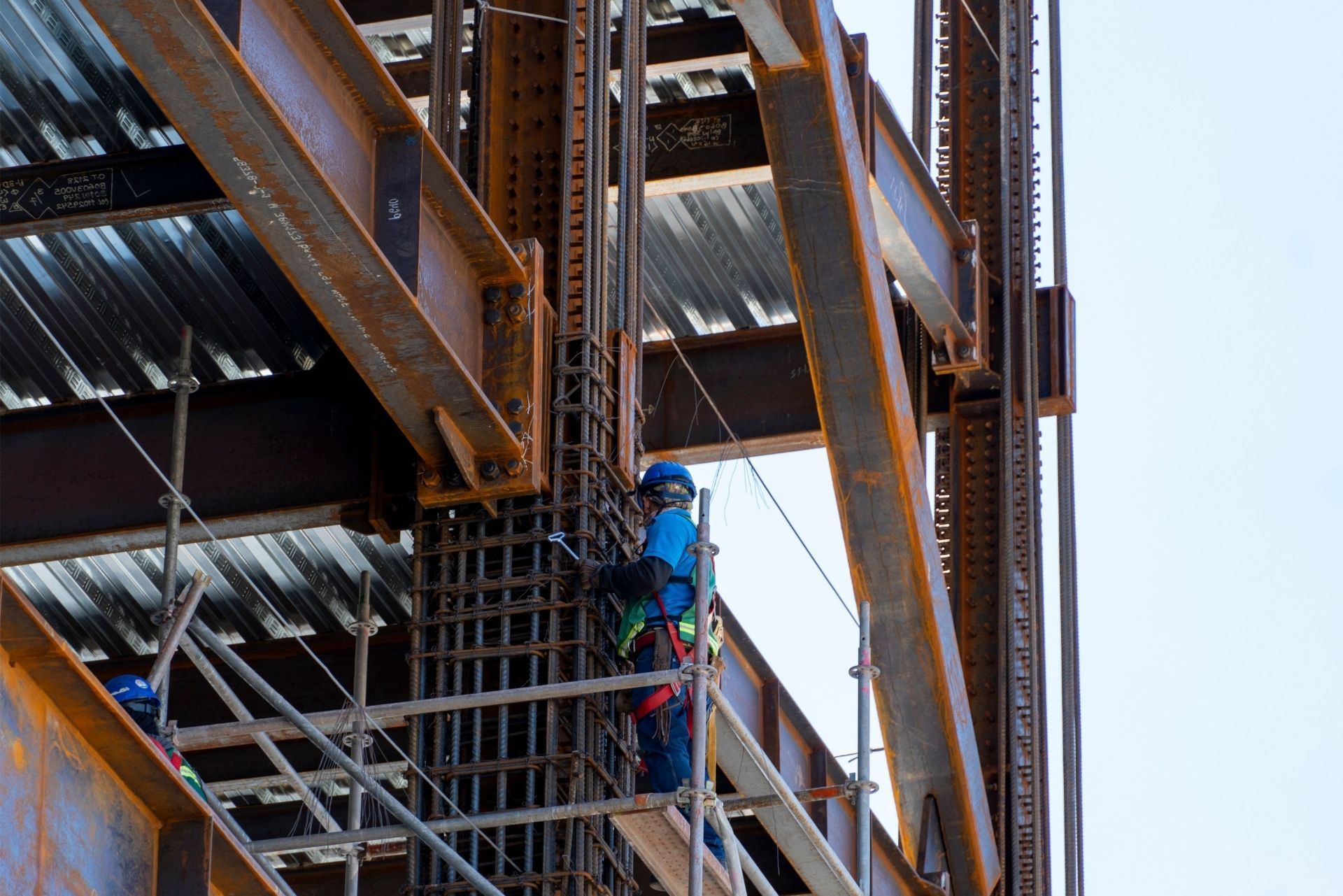
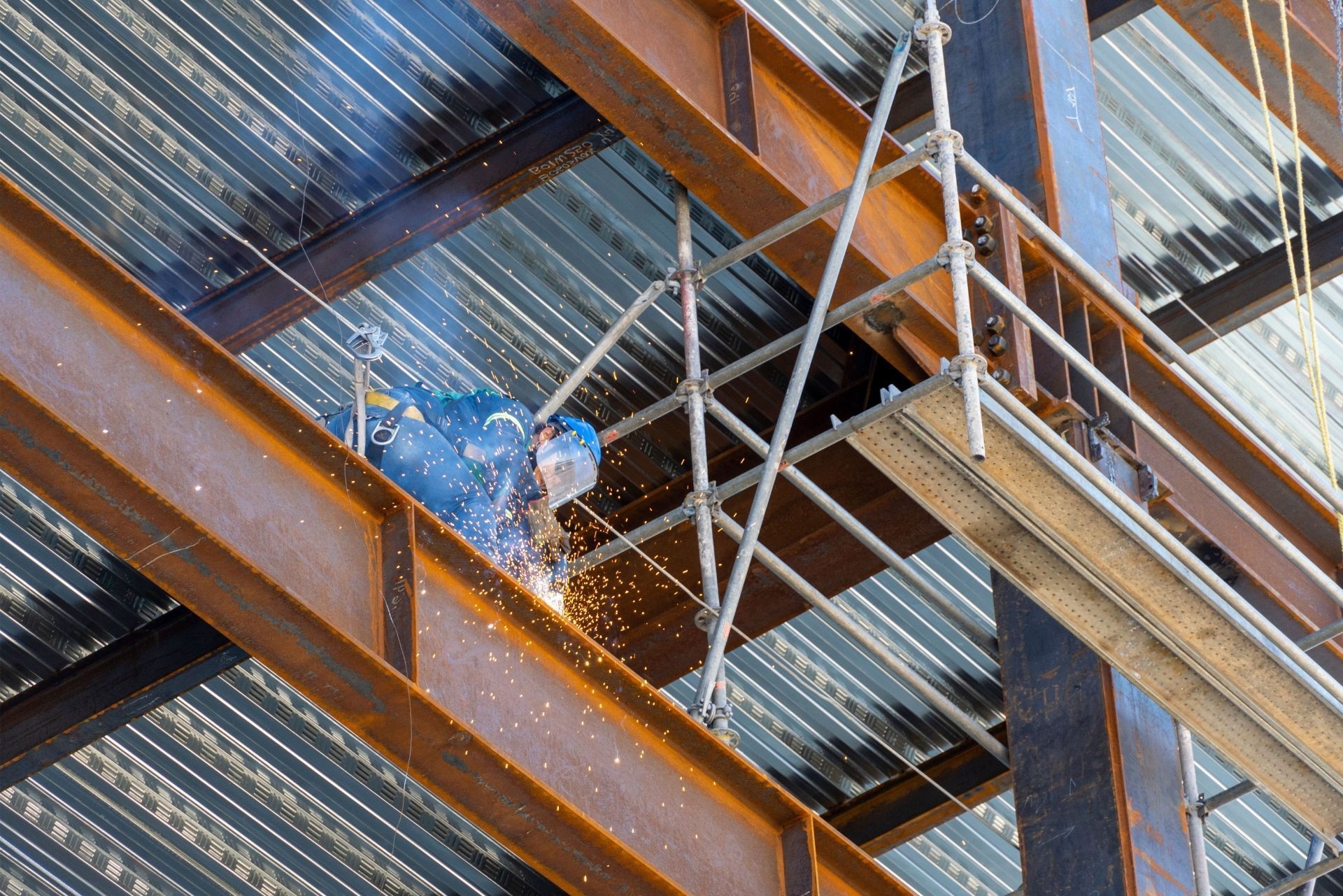
Steel erection ranks among the most hazardous construction trades in the country, and Michigan's industrial landscape keeps demand for qualified ironworkers consistently high. From automotive plant expansions in Detroit to warehouse construction across the I-94 corridor, small steel erection businesses face substantial liability exposure every time a crew reports to a jobsite. A single dropped beam, rigging failure, or fall from height can generate claims that would bankrupt an uninsured contractor overnight. This Michigan steel erector insurance guide for small businesses breaks down the coverage types you actually need, the state-specific requirements you'll encounter, and practical strategies for keeping premiums manageable while maintaining adequate protection.
Understanding your insurance obligations isn't just about avoiding lawsuits.
General contractors increasingly scrutinize
subcontractor coverage before awarding bids. If your certificates don't meet their requirements, you won't get the job. Meanwhile, Michigan's
workers' compensation system carries penalties that can shut down operations entirely if you're caught without proper coverage. The good news: once you understand how these policies work together, you can build a coverage portfolio that protects your business without paying for unnecessary extras. Whether you're running a five-person crew or scaling toward twenty employees, the principles remain the same.
Core Insurance Requirements for Michigan Steel Erectors
General Liability for Structural Metal Work
General liability insurance forms the foundation of any steel erection contractor's coverage portfolio. This policy responds when your work causes property damage to a third party or when someone outside your company gets injured because of your operations. Think about a scenario where a beam falls during installation and damages the building owner's equipment below, or where a pedestrian gets hurt by debris leaving your work area. These situations trigger general liability claims.
For steel erectors, standard general liability limits of $1 million per occurrence and $2 million aggregate often fall short of what general contractors require. Many commercial and industrial projects demand $2 million per occurrence minimums. Your policy should specifically include products-completed operations coverage, which protects you after you've finished a job and left the site. If a connection fails six months later and causes damage, this coverage responds. Expect to pay between $15,000 and $35,000 annually for adequate general liability coverage, depending on your payroll and revenue figures.
Michigan Workers' Compensation Compliance
Michigan law requires workers' compensation coverage for virtually all employers, with very limited exceptions that rarely apply to construction trades. The state takes enforcement seriously. Operating without coverage can result in fines up to $1,000 per day, criminal misdemeanor charges, and personal liability for any workplace injuries. You can't contract around this requirement by classifying workers as independent contractors if they're actually functioning as employees.
Steel erection carries classification codes 5040 and 5057, depending on the specific work performed. These codes reflect the high-risk nature of the trade and come with correspondingly high base rates. Your actual premium depends heavily on your experience modification rate, which we'll discuss later. Michigan uses the National Council on Compensation Insurance rating system, and your EMR follows you regardless of which carrier you use.
Commercial Auto and Fleet Coverage
Your trucks, trailers, and equipment haulers need commercial auto coverage that matches how you actually use them. Personal auto policies won't cover vehicles used for business purposes, and standard commercial policies may exclude specialized equipment like boom trucks or crane carriers. Make sure your policy includes hired and non-owned auto coverage for situations where employees use personal vehicles or you rent equipment.
Michigan's no-fault auto insurance system adds complexity. Commercial vehicles are subject to different rules than personal vehicles, and your policy needs to account for both property damage liability and the no-fault personal injury protection requirements. Discuss your specific fleet composition with your agent to ensure nothing falls through the gaps.

By: John T. Frye, Jr
Managing Partner at Doeren Mayhew Insurance Group
Specialized Policies for High-Risk Ironwork
Inland Marine and Equipment Floaters
Standard property insurance covers your tools and equipment at a fixed location. Once that equipment leaves your shop and travels to jobsites, you need inland marine coverage. This policy type protects mobile equipment, tools, and materials in transit and at temporary locations. For steel erectors, this includes welding machines, cutting equipment, rigging gear, and the structural steel itself before installation.
Equipment floaters can be written on either a scheduled basis, listing specific items with stated values, or on a blanket basis covering all equipment up to a limit. Scheduled coverage typically provides broader protection but requires updating whenever you acquire new equipment. Consider your replacement costs carefully: used equipment markets for construction trades have tightened significantly, and replacing a destroyed welder or ironworker machine costs more than it did three years ago.
Rigging and Crane Liability
If you own or operate cranes, you face exposure that general liability policies often exclude or sublimit. Crane operations require specialized coverage that addresses both the equipment itself and the liability arising from lifts. Many steel erectors subcontract crane work to dedicated operators, which shifts some liability but doesn't eliminate your exposure entirely.
When you hire crane operators, verify their insurance certificates carefully. You want to see their equipment coverage, their liability limits, and confirmation that you're listed as additional insured for the project. Any gaps in their coverage become your problem if something goes wrong during a lift you directed.
Excess Liability and Umbrella Policies
Primary liability limits often prove insufficient for catastrophic claims. A structural collapse, multiple-fatality accident, or major property damage claim can easily exceed $2 million. Umbrella policies provide additional limits above your primary general liability, auto liability, and employers liability coverage. For steel erectors, carrying $5 million in umbrella coverage has become increasingly standard, with many large projects requiring $10 million or more.
Umbrella policies are relatively affordable compared to increasing primary limits. Adding $5 million in umbrella coverage might cost $8,000 to $15,000 annually, while trying to purchase that same limit on a primary basis would cost substantially more.
| Coverage Type | What It Protects | Typical Limits |
|---|---|---|
| Contractor's Equipment | Owned machinery and tools | Scheduled value |
| Leased Equipment | Rented excavators, cranes | Per rental agreement |
| Installation Floater | Materials in transit or storage | Project value |
| Rigger's Liability | Damage during equipment moves | $500K-$2M |
MIOSHA Standards and Safety Credits
The Michigan Occupational Safety and Health Administration enforces workplace safety standards that directly impact your insurance costs. MIOSHA violations create documentation that underwriters review when pricing your coverage. A pattern of citations signals poor risk management and leads to higher premiums or coverage denials.
On the positive side, many carriers offer premium credits for formal safety programs, OSHA 30-hour training for supervisors, and documented safety meetings. These credits can reduce your workers' compensation premium by 5% to 15%. Keep records of all safety training, toolbox talks, and equipment inspections. This documentation supports both your credit applications and your defense if claims arise.
Weather-Related Project Delays and Builder's Risk
Michigan's weather creates scheduling challenges that affect insurance needs. Builder's risk policies, which cover structures under construction, typically include provisions for weather delays. If you're responsible for builder's risk on a project, understand how the policy treats extended construction periods caused by winter conditions.
Steel erection work often stops during extreme cold because of both safety concerns and material handling limitations. Your contracts should address how weather delays affect your insurance obligations and whether additional premium costs get passed through to the project owner.
Managing Contractual Obligations and Certificates
Additional Insured and Waiver of Subrogation
General contractors routinely require subcontractors to add them as additional insureds on liability policies. This gives them direct rights under your policy if claims arise from your work. Most commercial general liability policies include blanket additional insured provisions that automatically extend coverage to parties you're contractually required to protect.
Waiver of subrogation clauses prevent your insurance carrier from pursuing the general contractor to recover claim payments, even if the GC's negligence contributed to the loss. These waivers are standard contract requirements, and your policy needs endorsements permitting them. Check with your agent before signing contracts with waiver requirements to confirm your coverage allows it.
Indemnity Agreements in Steel Contracts
Construction contracts typically include indemnification provisions requiring you to defend and hold harmless the project owner and general contractor. These provisions can be broad, sometimes requiring you to indemnify other parties even for their own negligence. Michigan courts generally enforce these agreements, though some limitations apply to indemnification for a party's sole negligence.
Review indemnity language carefully before signing. Your insurance may not cover claims arising from contractual liability that exceeds what you'd face under common law. Discuss unusual indemnity requirements with both your attorney and your insurance agent.
Experience Modification Rate (EMR) Optimization
Your EMR represents the single largest controllable factor in workers' compensation pricing. This multiplier compares your claim history against expected losses for businesses of similar size in your classification. An EMR of 1.0 means average performance. Below 1.0 earns premium credits; above 1.0 means surcharges.
| EMR Range | Premium Impact | Competitive Position |
|---|---|---|
| Below 0.80 | 20%+ discount | Strong bidding advantage |
| 0.80 - 0.95 | 5-20% discount | Favorable |
| 0.95 - 1.05 | Near base rate | Average |
| 1.05 - 1.25 | 5-25% surcharge | Disadvantaged |
| Above 1.25 | 25%+ surcharge | May face coverage restrictions |
Reducing your EMR requires preventing claims and managing existing claims effectively. Return injured workers to modified duty as quickly as medically appropriate. Challenge questionable claims. Review your experience modification worksheet annually for errors.
Implementing Formal Safety Programs
Documented safety programs reduce both claim frequency and premium costs. Effective programs include written safety policies, regular training sessions, equipment inspection protocols, and clear reporting procedures for near-misses and incidents. Many carriers provide safety resources and consultation services included with your policy.
Consider pursuing OSHA's Voluntary Protection Program or similar recognition. While the application process requires significant effort, VPP participants typically see insurance cost reductions and improved employee retention.
Frequently Asked Questions
What's the minimum insurance a Michigan steel erector needs to operate legally? Workers' compensation coverage is mandatory for all employees. General liability isn't legally required but is practically necessary since no general contractor will hire an uninsured subcontractor.
How much does steel erector insurance typically cost in Michigan? Small operations with five to ten employees should budget $75,000 to $150,000 annually for a complete insurance program including workers' comp, general liability, auto, and equipment coverage.
Can I reduce costs by increasing deductibles? Yes, but carefully. Higher deductibles on general liability and property policies can lower premiums significantly. Workers' compensation deductible programs exist but require financial qualification.
How often should I review my coverage? Annually at minimum, and whenever you add equipment, hire employees, or take on projects larger than your typical scope.
Making the Right Choice for Your Operation
Building the right insurance program requires balancing protection against cost while meeting the contractual requirements that let you win bids. Start with an agent who specializes in construction risks and understands steel erection specifically. Generic business insurance agents often miss critical coverage needs or overpay for inadequate protection.
Get quotes from multiple carriers, but don't choose solely on price. Carrier financial strength, claims handling reputation, and the specific policy forms they use all matter when you actually need to file a claim. Your insurance should function as a business tool that enables growth, not just a compliance checkbox. Take time to understand what you're buying, and you'll make better decisions for your company's future.
About The Author:
John T. Frye, Jr.
Taylor Richardson is the founder and CEO of 5M Insurance. With a focus on real estate risk management, Taylor helps investors and property managers nationwide secure smarter, scalable coverage solutions—without the headaches of traditional insurance brokers.
Personal Insurance Subservices
Auto insurance offers crucial financial protection against accidents, injuries, property damage, theft, and other costly liabilities.
Homeowners insurance is not only critical in protecting your property investment and personal belongings, but also protects against potential liability claims in the future.
Even if you have adequate homeowners and auto insurance coverage, umbrella insurance policies help to cover large, unexpected losses.
Plan for the future and get peace of mind with our time-tested life insurance solutions that are customized to your unique needs.
Long-term care insurance offers coverage for out-of-pocket expenses that are generally not covered by health insurance, Medicare, or Medicaid.
Disability insurance can replace a percentage of your income in the event you are unable to work due to an illness, injury, or other health condition.
We treat every client with the utmost care and attention. However, we know high-net-worth individuals have unique exposures and needs that require specialized expertise.
How We Can Help
Contact us to learn more about how we can help protect your long-term financial security.
Related VIEWpoints



Contact Us
