
A Detroit-based contractor recently faced a costly claim after a heavy rainstorm led to water damage that overwhelmed improperly maintained gutters. The incident highlights how essential it is for professionals working in the gutter installation industry to understand insurance requirements and potential liabilities. With a mix of rising installation costs and increasing homeowners insurance claims, the stakes for quality workmanship and proper coverage have never been higher. For instance, gutter installation costs in Detroit range between $657 and $1,898, which is only part of the financial landscape affecting the industry. Learn more about these figures from angi.com.
While gutter installers focus on protecting homes from severe weather, rising homeowners insurance rates in Michigan also underscore how climate influences the construction sector. This article delves into the intricacies of Michigan gutter installer insurance, the importance of professional installation, and how external challenges can impact both contractors and homeowners alike.
Understanding the Need for Specialized Insurance
Insurance for gutter installers is not simply a regulatory nicety-it is a critical aspect of managing business risk. Given the unpredictable nature of severe weather and the high stakes involved with water damage, gutter contractors need policies tailored to the specific challenges of the field. In Michigan, where homeowners have seen a 19.2% rise in insurance costs over the past few years (Patch.com), professionals who work on residential exteriors must be extra cautious.
Contractors in this sector often face liability risks if a job does not adhere to local building codes or if substandard work results in damage. When water infiltrates homes due to clogged or improperly installed gutters, repair bills can run into tens of thousands of dollars. A comprehensive analysis found that water damage repair bills from neglected gutter maintenance could reach up to $50,000 for severe structural damage (Flowshield Guards).
This financial risk, on top of rising material and labor costs, means that insurance coverage is not a luxury-it's a necessity. Policies specifically designed for construction trades help protect professionals from costly claims and support long-term business stability.
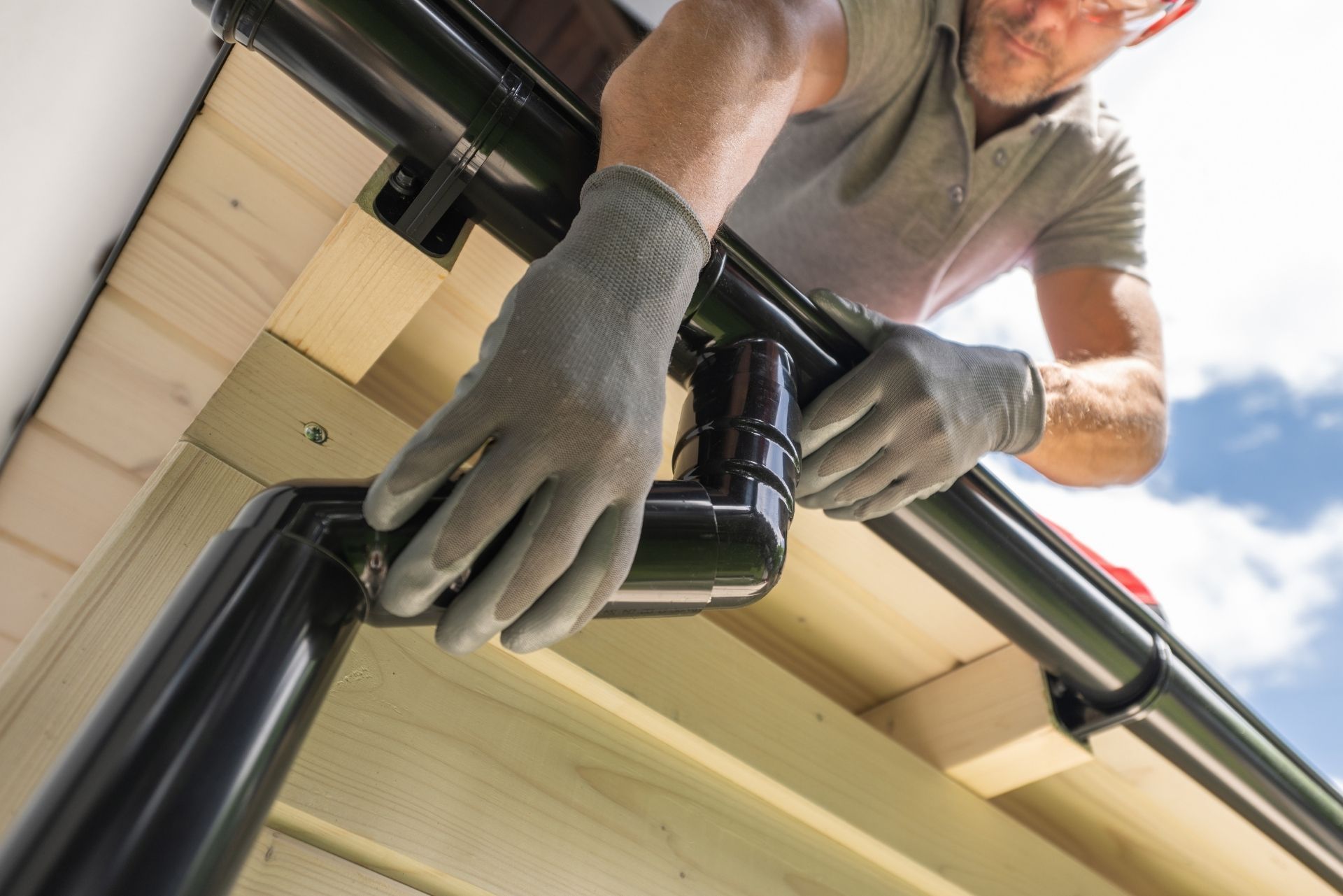

By: John T. Frye, Jr
Managing Partner at Doeren Mayhew Insurance Group
Key Components of Gutter Installer Insurance
Liability Coverage
Liability coverage is the cornerstone for any contractor’s insurance policy. It provides protection against claims arising from injuries or property damage as a direct result of a contractor's work. For a gutter installer, this means the policy would cover issues ranging from accidental damage during installation to complications from a failure to adhere to local building standards.
Without proper liability coverage, even a minor oversight can escalate into a financially crippling lawsuit. Given how water damage claims have reached figures as high as $50,000 in certain cases (Flowshield Guards), ensuring adequate coverage is essential.
Liability policies generally also cover legal defense fees, which can quickly accumulate, making this coverage a key element of risk management for Michigan gutter installers.
Workers' Compensation
Workers' compensation is another critical component. Contractors face not just liability from property damage but also potential injuries on the job. Given the physical nature of gutter installation, workers are at risk for falls, cuts, and other injuries. This coverage provides financial assistance for medical bills and lost wages.
Protecting workers not only benefits the employees but also helps maintain a robust and reliable team. Insurers and safety experts both agree that well-protected employees contribute to reduced downtime and better overall service on site. This support mechanism is vital in maintaining operational standards in an industry prone to unpredictable weather conditions.
Professional Indemnity
Professional indemnity coverage is particularly important for contractors who offer consultation or design services. Should a homeowner file a complaint alleging that the gutter installation advice led to faulty work or damage due to water issues, this insurance assists with legal fees and settlements. Professionals must be aware that even minor errors in judgment or oversight can result in substantial financial implications.
By opting for professional indemnity coverage, gutter installers can provide an added layer of security to their clients. This coverage reassures homeowners that any potential errors will be addressed promptly, thereby fostering trust and solidifying the professional reputation of the contractor.
Insurance Trends Impacting Gutter Installers and Homeowners
Insurance trends in Michigan have been shifting rapidly. Experts note that severe weather patterns and an increase in costly claims have contributed to a significant spike in homeowners insurance rates. Jessica Edmondson, director of media outreach for Insurify, indicated that "Michigan has been having more severe weather over the years, and that does impact insurers filing more for rate increases to help cover their losses" (Crain's Grand Rapids).
This trend affects not only homeowners but also gutter installers. As insurance companies raise rates-a projected 14% increase reported by an Insurify study on April 1, 2024 (Crain's Grand Rapids)-contractors must ensure that their policies reflect the increased risks while continuing to offer competitive services at reasonable prices.
Instilling confidence in homeowners requires that contractors adapt to these changes and communicate clearly how their insurance provides protection. This transparency can help clients better understand the importance of investing in both quality installation and proper insurance coverage.
Guidelines for Choosing the Right Gutter Installation Services
Understanding Regional Risks
Selecting a contractor who comprehends the unique challenges of Michigan weather is critical. Regional conditions in Michigan, including frequent precipitation and severe storms, require specialized knowledge and precise installation techniques. Contractors must be familiar with local building codes and weather-related risks in order to offer effective solutions.
Experienced professionals, such as those highlighted by experts at Top Rated Gutters, understand that an installer’s local expertise is directly linked to the quality of the work provided (Top Rated Gutters). This deep understanding reduces the likelihood of future claims related to installation errors, making it easier to manage insurance risk and maintain a good safety record.
Homeowners are encouraged to perform due diligence by asking for verified references and checking that their installer is compliant with local ordinances, which not only minimizes risk but also supports long-term reliability and cost-effectiveness.
Avoiding DIY Pitfalls
While DIY projects have their appeal, gutter installation is not typically a recommended area for amateur efforts. Renowned industry experts caution that improper installation or attempts to cut corners can void manufacturer warranties and create hazards that may result in costly damage. John McCarter Construction warns that DIY gutter installation can potentially void home warranties and lead to additional complications (John McCarter Construction).
The risks associated with DIY projects are not merely limited to safety concerns. Homeowners and installers alike should understand that a poorly executed installation can leave homes vulnerable to water damage. Such damage often leads to expensive fixes that could have been mitigated with professional installation and proper insurance coverage.
Contractors who invest in quality workmanship coupled with extensive insurance coverage set a standard for their industry and ensure that homeowners receive lasting protection against the vagaries of harsh weather.
A detailed analysis of various insurance packages reveals significant differences in the value provided to gutter installers. Below is a table outlining common insurance components, highlighting the distinctions between basic and extended coverage options.
| Coverage Component | Basic Coverage | Extended Coverage |
|---|---|---|
| General Liability | Covers property damage and bodily injury claims | Also includes legal fees and broader incident coverage |
| Workers' Compensation | Covers on-site injuries and medical expenses | Enhanced support for temporary disability and lost income |
| Professional Indemnity | Basic advice protection in installation practices | Includes claims related to design errors and consultation mishaps |
| Equipment and Tool Coverage | Limited replacement value for tools | Full replacement cost with minimal deductibles |
This chart can be used as a starting point when evaluating insurance policies. It is essential for vendors to tailor coverage to their specific operations, ensuring that every potential risk is mitigated effectively.
In practice, the extended coverage option may well be worth the slightly higher premium. It offers more comprehensive protection in an environment where a single installation error or accident can lead to substantial costs. Investing in robust coverage forms a critical part of long-term business strategy and client reassurance.
How Climate Trends Influence Both Insurance and Installation Practices
Weather variations in Michigan have a significant impact on both homeowners and contractors. There has been a noticeable trend of increased severe weather incidents, translating into higher claim volumes for insurers. Recent insights confirm that the projected increase in Michigan homeowners insurance rates could reach 14% (Crain's Grand Rapids), making it critical for service providers to adopt enhanced risk management practices.
For gutter installers, this translates to a need for meticulous attention to installation quality and maintenance procedures. Contractors are often required to ensure that their work complies with stringent local building codes tailored to withstand heavy rains and wind. The role of insurance is paramount in cushioning the financial blow that may result from unpredictable weather events.
As weather becomes more erratic, homeowners are increasingly aware of the potential for water damage. This heightened awareness drives demand for professional installers who not only offer quality service but also carry comprehensive insurance to assuage any concerns. The alignment of quality workmanship and robust insurance coverage positions the best contractors as industry leaders.
Impact on Homeowners and Industry Dynamics
The rising homeowners insurance market and the associated spike in rates-evident through a 3.4% jump in 2022 as part of the overall 19.2% surge between 2018 and 2023 (Patch.com)-influences decisions on both the consumer and contractor side. Homeowners are more cautious, opting for contractors with robust insurance policies that protect against unforeseen damage and installation faults.
For the industry, maintaining a reputation for reliability requires more than just good technical skills. A contractor’s ability to back up their work with comprehensive policies offers clients a sense of security during unexpected weather events. This reliability not only translates into fewer warranty calls and legal disputes but also boosts referrals and long-term client relationships.
Insurance not only mitigates risk but also acts as a competitive differentiator. Contractors can itemize their coverage, demonstrating to prospective clients that their practice is both professional and secure. This transparency can serve as an effective marketing tool, bridging the gap between high premiums and the perceived value of polished and protected service.
Practical Steps for Contractors
Michigan gutter installers must navigate a complex environment of weather risks, regulatory requirements, and financial considerations. Here are several practical steps that contractors can take to manage these challenges effectively:
1. Regular Maintenance and Quality Control
Establishing a routine maintenance schedule for gutters, whether on installed or client properties, lowers the likelihood of water damage claims. Regular cleaning and inspections help identify potential issues before they escalate into expensive repairs. Contractors who incorporate proactive maintenance services also position themselves as partners in long-term home protection.
Quality control extends beyond the work site. Verification of materials, adherence to safe and effective installation techniques, and active customer feedback loops improve overall service quality. Contractors who adopt these strategies not only minimize risk but also reduce the likelihood of insurance claims related to installation faults.
2. Staying Informed on Policy Changes and Rates
In an environment where severe weather and rising costs affect both premiums and revenue, keeping abreast of changes in insurance policies is crucial. Frequent consultations with insurers and industry experts can clarify any evolving requirements or new coverage options available in Michigan.
For example, continuous monitoring of rate changes-such as those projected for Michigan homeowners insurance (Crain's Grand Rapids)-provides a clearer picture of the landscape in which contractors operate. This proactive approach not only protects the contractor’s business but also reassures homeowners about the quality and reliability of the work.
3. Partnering with Reputable Providers
Choosing an insurance provider with a robust track record in the construction and home services sectors is essential. Top providers have a deep understanding of local risks and can offer policies that cover both typical installation mishaps and extraordinary circumstances. Establishing ongoing relationships with these insurers can translate into tailored policy adjustments that reflect the real-world conditions faced by Michigan contractors.
Additionally, reputable experts advise that contractors should select insurance partners who offer transparent claims processes and competitive premiums. This not only helps in times of emergency but ensures that the contractor's reputation remains untarnished in the face of unforeseen incidents.
Looking Ahead: The Future of Gutter Installer Insurance in Michigan
The insurance landscape for service professionals continues to evolve as both climate conditions and market dynamics shift. In Michigan, increased weather volatility and rising homeowners insurance rates signal that contractors must keep evolving their risk management strategies. Staying educated about insurance products and ongoing trends is essential to ensure that coverage remains adequate and cost-effective.
Emerging technologies in construction and inspection offer the potential for reducing risks through improved quality control measures. Innovations like real-time monitoring of installation conditions and digital documentation may soon play a role in verifying workmanship, ultimately leading to lower risk profiles and insurance premiums.
Contractors who invest in these innovations, along with maintaining thorough insurance coverage, stand to benefit from both enhanced operational safety and improved market reputation. A forward-looking mindset will help gutter installers stay ahead of both regulatory requirements and emerging risks.
Frequently Asked Questions
To help clarify common concerns, this section answers several questions frequently raised by both contractors and homeowners regarding gutter installer insurance in Michigan.
What does liability insurance for gutter installers cover?
Liability insurance covers claims related to property damage or bodily injury stemming from installation errors. It typically also covers legal fees in the event of a lawsuit.
Why is workers' compensation important in gutter installation?
Workers' compensation provides financial support for medical expenses and lost wages if an employee is injured on the job. Given the physical demands of gutter installation, this coverage is essential.
How can professional indemnity insurance benefit my contracting business?
Professional indemnity insurance protects against claims arising from incorrect advice or installation errors that result in home damage. This policy helps cover legal costs and damages, offering reassurance to both contractors and homeowners.
Can I install gutters myself to save on costs?
While DIY installation might seem appealing, industry experts warn that it can void warranties and lead to potentially costly mistakes (John McCarter Construction). It is generally safer and more cost-effective to hire a professional.
How do rising homeowners insurance rates affect gutter installers?
Higher homeowners insurance rates, as seen in recent studies, underline the importance of proper installation and comprehensive contractor insurance. They may indirectly push clients to select installers with robust insurance policies to mitigate future risks.
What steps can contractors take to reduce the risk of claims?
Following strict quality control practices, investing in regular maintenance efforts, and keeping up with the latest policy changes are practical ways to reduce claim risks.
Wrapping Things Up
Michigan gutter installers face a dual challenge of meeting rising cost expectations while keeping pace with evolving weather conditions and insurance trends. The evolving climate has not only increased installation complexities but has also led to heightened homeowner sensitivity regarding their insurance investments, leading to rate spikes in the region. As industry standards shift in response to climate and market conditions, contractors must view robust insurance coverage as a foundation for long-term success.
Adopting comprehensive insurance policies, maintaining rigorous quality control measures, and choosing experienced service providers all offer critical safeguards. With these strategies in place, contractors can better shield themselves from costly claims, protect their clients, and maintain a competitive edge in a demanding industry.
Reputable sources and industry experts reinforce that professional installation, combined with transparent and effective insurance policies, serves as the best defense against the financial risks presented by unpredictable weather and installation mishaps. Ultimately, focusing on quality and preparedness positions both the contractor and homeowner to weather whatever storms may come.
About The Author:
John T. Frye, Jr.
Taylor Richardson is the founder and CEO of 5M Insurance. With a focus on real estate risk management, Taylor helps investors and property managers nationwide secure smarter, scalable coverage solutions—without the headaches of traditional insurance brokers.
Personal Insurance Subservices
Auto insurance offers crucial financial protection against accidents, injuries, property damage, theft, and other costly liabilities.
Homeowners insurance is not only critical in protecting your property investment and personal belongings, but also protects against potential liability claims in the future.
Even if you have adequate homeowners and auto insurance coverage, umbrella insurance policies help to cover large, unexpected losses.
Plan for the future and get peace of mind with our time-tested life insurance solutions that are customized to your unique needs.
Long-term care insurance offers coverage for out-of-pocket expenses that are generally not covered by health insurance, Medicare, or Medicaid.
Disability insurance can replace a percentage of your income in the event you are unable to work due to an illness, injury, or other health condition.
We treat every client with the utmost care and attention. However, we know high-net-worth individuals have unique exposures and needs that require specialized expertise.
How We Can Help
Contact us to learn more about how we can help protect your long-term financial security.
Related VIEWpoints



Contact Us
