
The Evolving Landscape of Solar Energy in Michigan
Michigan's solar industry has grown by over 300% in the past five years, creating significant opportunities for contractors willing to work through harsh winters and unpredictable weather patterns. For green energy contractors operating in the Great Lakes region, this growth brings both profit potential and substantial risk exposure. Getting the right insurance coverage isn't just about checking a box for licensing requirements. It's about protecting your crews, your equipment, and the business you've built.
Solar installation carries unique hazards that traditional construction policies often miss. Your technicians work at heights, handle electrical systems, and transport expensive equipment across icy roads in January. A single uninsured claim can devastate a small contractor. Michigan solar installer insurance specifically designed for green energy contractors addresses these gaps, covering everything from rooftop falls to damaged panels during transit.
The state's regulatory environment adds another layer of complexity. Michigan requires specific licenses, bonds, and minimum coverage limits that vary based on project type and location. Municipal contracts often demand higher limits than residential work. Understanding these requirements before bidding on projects saves you from scrambling for coverage at the last minute or worse, discovering gaps after an incident occurs.
State Incentives and Growing Demand
Michigan's net metering policies and federal Investment Tax Credit extensions have fueled residential and commercial solar demand across the state. Utilities like DTE Energy and Consumers Energy now offer interconnection programs that make grid-tied systems more attractive to homeowners. This policy environment means steady work for qualified installers, but it also means more competition and tighter margins.
The demand surge has attracted contractors from neighboring states, increasing competitive pressure on established Michigan businesses. Homeowners are requesting quotes from multiple installers, and many check for proper licensing and insurance before signing contracts. Carrying adequate coverage isn't just risk management. It's a sales advantage when customers compare your professionalism against undercovered competitors.
Unique Environmental Risks for Great Lakes Installers
Michigan's climate creates installation challenges you won't find in Arizona or California. Heavy snow loads stress rooftop systems and the structures beneath them. Ice dams can damage panels and cause water intrusion if flashing isn't properly installed. Lake-effect weather patterns bring sudden storms that catch crews working on rooftops.
The freeze-thaw cycle wreaks havoc on ground-mounted systems, shifting foundations and stressing racking components. Your liability exposure extends beyond installation day. If a system you installed fails during a February ice storm, the property damage claim lands on your desk. Policies need to account for these regional conditions with appropriate coverage limits and clear language about weather-related claims.

By: John T. Frye, Jr
Managing Partner at Doeren Mayhew Insurance Group
Core Insurance Policies for Solar Contractors
Every solar contractor needs a foundation of standard business insurance before adding specialized coverage. These core policies protect against the most common claims and satisfy basic licensing requirements.
General Liability for Site Damage and Injuries
General liability insurance covers third-party bodily injury and property damage claims. When your ladder scratches a homeowner's siding or a visitor trips over equipment at a job site, GL responds. Michigan courts have awarded substantial damages in premises liability cases, making adequate limits essential.
Most contractors carry $1 million per occurrence with $2 million aggregate limits. Commercial and municipal projects often require higher limits, sometimes $5 million or more. You can reach these thresholds through umbrella policies rather than expensive primary coverage increases. Review your GL policy's exclusions carefully. Some standard policies exclude damage to property you're working on, creating gaps that installation floaters must fill.
Workers' Compensation Michigan Compliance
Michigan law requires workers' compensation coverage for all employers, with limited exceptions for sole proprietors and partners. The penalties for non-compliance include stop-work orders, fines up to $1,000 per day, and personal liability for injury costs. Solar installation carries a relatively high experience modification rate due to fall risks and electrical hazards.
Your workers' comp premiums depend heavily on your claims history and safety record. New contractors often face higher rates until they establish a clean track record. Classification codes matter too. Make sure your policy reflects actual job duties. Misclassification can void coverage when you need it most.
Commercial Auto and Fleet Coverage
Your trucks, vans, and trailers need commercial auto insurance that covers both owned vehicles and hired or non-owned vehicles when employees use personal cars for business purposes. Standard personal auto policies exclude commercial use, leaving you exposed if an employee causes an accident while picking up supplies.
Michigan's no-fault auto insurance system complicates claims, but it also means higher minimum coverage requirements. Fleet policies can reduce per-vehicle costs as your business grows. Telematics programs that track driver behavior often qualify for premium discounts while improving safety.
Specialized Protections for Solar Installation Risks
Standard business policies leave gaps that solar-specific coverages must fill. These specialized protections address the unique equipment, liability, and project risks green energy contractors face.
Inland Marine for Equipment in Transit
Solar panels, inverters, and racking systems represent significant capital investment. Inland marine insurance protects this equipment while it's being transported between your warehouse and job sites. Standard property policies typically cover equipment only at fixed locations, leaving transit exposures uncovered.
A single truck accident can destroy $50,000 or more in panels. Inland marine policies cover theft, collision damage, and weather-related losses during transport. They also protect equipment stored temporarily at job sites before installation begins. Coverage limits should match your typical inventory value plus a buffer for large projects.
Professional Liability and Design Errors
Professional liability, sometimes called errors and omissions coverage, protects against claims arising from design mistakes, incorrect system sizing, or faulty engineering recommendations. If a system you designed underperforms its projected output, the customer may sue for the difference.
This coverage becomes critical when you provide turnkey services including design, permitting, and installation. Even if you subcontract engineering work, you may face claims as the general contractor. Professional liability policies typically cover defense costs in addition to settlement limits, which matters given how expensive solar litigation has become.
Installation Floaters for Work-in-Progress
Installation floaters cover materials and equipment after they're delivered to a job site but before the project is complete and accepted by the customer. This coverage fills the gap between your inland marine policy and the customer's homeowner's insurance.
Standard property policies exclude property in the course of construction. If a storm damages partially installed panels, neither your GL policy nor the homeowner's coverage responds without an installation floater in place. Coverage should extend from delivery through final inspection and customer acceptance.
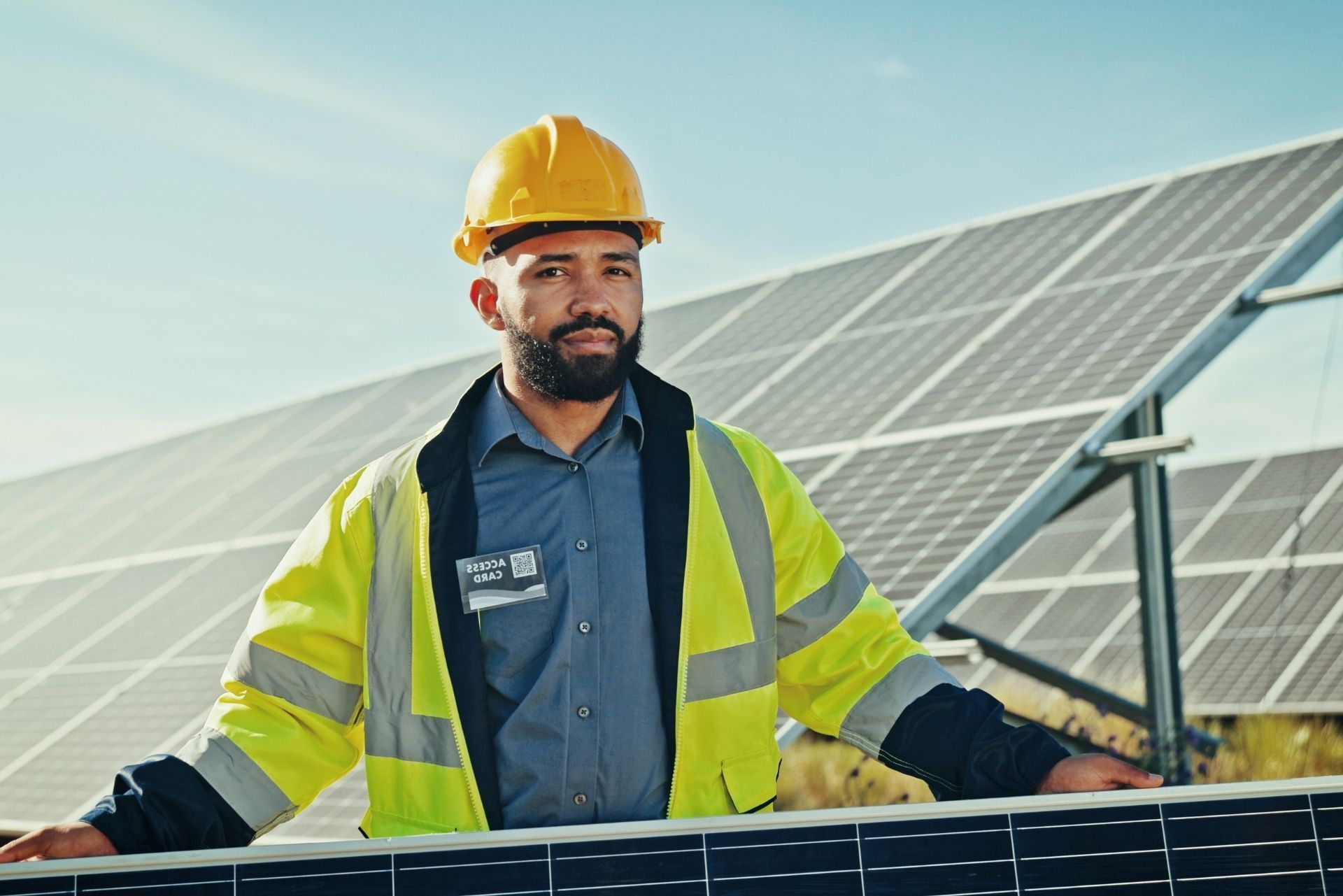
Michigan's contractor licensing system requires specific credentials and insurance minimums depending on your project scope and customer type.
Residential Builder and Maintenance & Alteration Licenses
Solar contractors performing work on residential structures need either a Residential Builder license or a Maintenance & Alteration Contractor license from Michigan's Department of Licensing and Regulatory Affairs. The builder license allows new construction and major alterations, while the M&A license covers repairs and smaller projects.
Both licenses require proof of workers' compensation coverage and general liability insurance. Application fees, continuing education requirements, and background checks add administrative burden but protect your business from unlicensed competition. Keep your license documentation current and easily accessible for customer requests.
Surety Bonds for Municipal Projects
Public contracts in Michigan typically require surety bonds guaranteeing project completion and payment to subcontractors and suppliers. Bid bonds ensure you'll accept the contract if selected. Performance bonds guarantee you'll complete the work according to specifications. Payment bonds protect subcontractors and material suppliers.
Bond requirements vary by project size and municipality. Larger contracts may require bonds equal to 100% of the contract value. Your bonding capacity depends on your financial statements, credit history, and track record. Building relationships with surety companies before you need bonds speeds the approval process when opportunities arise.
Insurance costs eat into margins, but proactive risk management can reduce premiums while improving job site safety.
Safety Protocols for Rooftop and Electrical Work
OSHA requires fall protection for work at heights above six feet in construction. Solar installation involves both fall hazards and electrical risks that demand comprehensive safety programs. Written safety plans, regular training, and proper equipment aren't just regulatory requirements. They directly impact your insurance costs.
Insurers reward contractors who demonstrate commitment to safety through lower experience modification rates and premium discounts. Document your training programs, safety meetings, and incident investigations. This documentation supports your renewal negotiations and provides defense evidence if claims arise.
The Impact of Quality Control on Claims History
Your claims history drives your premiums more than any other factor. Quality control programs that catch problems before they become claims pay for themselves through lower insurance costs. Inspection checklists, photo documentation, and customer sign-offs create records that defend against frivolous claims.
| Coverage Type | Typical Annual Premium | Key Coverage Triggers |
|---|---|---|
| General Liability | $2,500 - $8,000 | Third-party injury, property damage |
| Workers' Comp | $5,000 - $15,000 | Employee injuries on the job |
| Commercial Auto | $3,000 - $10,000 | Vehicle accidents, cargo damage |
| Professional Liability | $2,000 - $6,000 | Design errors, performance claims |
| Inland Marine | $1,500 - $4,000 | Equipment theft, transit damage |
Securing a Future-Proof Solar Business in Michigan
Building a sustainable solar contracting business in Michigan requires insurance coverage that matches your actual risk exposure. Generic policies designed for general contractors miss the specialized hazards green energy work creates. Work with an agent who understands solar installation and can identify coverage gaps before claims expose them.
Review your policies annually as your business grows. The coverage limits appropriate for a two-person crew won't protect a company running multiple installation teams. As you take on larger commercial projects or municipal contracts, your insurance needs expand accordingly.
Frequently Asked Questions
What's the minimum insurance required for Michigan solar contractors? Michigan requires workers' compensation for all employers and general liability for licensed contractors. Most residential customers and all commercial clients expect at least $1 million in GL coverage.
Does my general liability policy cover damaged solar panels during installation? Usually not. GL covers third-party property damage, but panels you're installing are typically excluded. You need an installation floater for work-in-progress coverage.
How much does solar contractor insurance cost in Michigan? A complete package including GL, workers' comp, commercial auto, and specialized coverages typically runs $15,000 to $40,000 annually depending on crew size and revenue.
Can I reduce my workers' comp premiums? Yes. Implement documented safety programs, maintain a clean claims history, and ensure proper employee classification. Some insurers offer pay-as-you-go programs that improve cash flow.
Do I need professional liability if I don't design systems myself? Consider it anyway. Customers may sue you as the general contractor regardless of who performed design work. Defense costs alone justify the coverage for most contractors.
About The Author:
John T. Frye, Jr.
Taylor Richardson is the founder and CEO of 5M Insurance. With a focus on real estate risk management, Taylor helps investors and property managers nationwide secure smarter, scalable coverage solutions—without the headaches of traditional insurance brokers.
Personal Insurance Subservices
Auto insurance offers crucial financial protection against accidents, injuries, property damage, theft, and other costly liabilities.
Homeowners insurance is not only critical in protecting your property investment and personal belongings, but also protects against potential liability claims in the future.
Even if you have adequate homeowners and auto insurance coverage, umbrella insurance policies help to cover large, unexpected losses.
Plan for the future and get peace of mind with our time-tested life insurance solutions that are customized to your unique needs.
Long-term care insurance offers coverage for out-of-pocket expenses that are generally not covered by health insurance, Medicare, or Medicaid.
Disability insurance can replace a percentage of your income in the event you are unable to work due to an illness, injury, or other health condition.
We treat every client with the utmost care and attention. However, we know high-net-worth individuals have unique exposures and needs that require specialized expertise.
How We Can Help
Contact us to learn more about how we can help protect your long-term financial security.
Related VIEWpoints



Contact Us
