
Michigan's boating industry contributes over $10 billion annually to the state economy, and with more than 3,200 miles of Great Lakes shoreline, marina and dock operations sit at the center of that activity. The Michigan Boating Industries Association has been calling for increased waterways funding to support infrastructure that keeps this sector thriving. But growth brings risk. A single storm surge, fuel spill, or slip-and-fall injury on a wet dock can generate claims that threaten your entire operation. Securing the right Michigan marina and dock business coverage isn't optional: it's the financial backbone of your waterfront enterprise.
Whether you run a small
inland lake dock rental or a full-service Great Lakes marina with
fuel pumps, repair bays, and winter storage, your insurance needs are different from a typical retail or service business. Standard
commercial policies leave dangerous gaps that only become visible after a loss. Understanding which policies apply, how Michigan-specific hazards shape your coverage, and where common mistakes happen can save you tens of thousands of dollars and keep your business afloat when things go wrong.
Essential Insurance for Michigan Marina Operations
Running a marina means managing risks that span land and water simultaneously. Your customers walk across your property, board vessels at your docks, fuel up at your pumps, and sometimes leave their boats in your care for months. Each of those touchpoints creates a distinct liability exposure. A single policy can't cover all of them, which is why marina operators typically need a layered insurance program built around three core components.
The foundation starts with understanding how general commercial liability interacts with marine-specific policies. Many first-time marina owners assume their commercial general liability policy covers everything. It doesn't. Water-related risks, vessel damage, and environmental exposures require separate, purpose-built coverage forms. Getting this wrong is one of the most common and costly mistakes in the industry.
Commercial General Liability vs. Marine Liability
Commercial general liability, or CGL, covers bodily injury and property damage that happens on your premises or results from your operations. If a customer slips on your dock and breaks an arm, CGL responds. If your landscaping crew damages a neighbor's fence, CGL handles that too. Michigan requires businesses to carry adequate liability insurance as a baseline, and most marina operators carry at least $1 million per occurrence with a $2 million aggregate.
Marine liability picks up where CGL stops. It covers damage to vessels in your care, injuries occurring on the water, and risks tied to marine operations like fueling, launching, and hauling. CGL policies almost always exclude watercraft liability and damage to property in your custody. That exclusion is a problem when you're surrounded by boats worth $50,000 to $500,000 each. You need both policies working together, not one or the other.
Marina Operators Legal Liability (MOLL)
MOLL is the policy that keeps marina owners up at night when they don't have it. This coverage protects you when vessels in your care, custody, or control are damaged, whether from fire, storm, theft, or your own negligence during hauling or storage. Standard CGL policies specifically exclude this exposure through the "care, custody, and control" exclusion.
Think of MOLL as your safety net for the boats you touch. If your forklift operator drops a 30-foot sailboat during haul-out, MOLL responds. If a fire in your storage yard destroys twelve boats, MOLL covers the claims. Typical limits range from $500,000 to $5 million depending on your operation's size and the value of vessels you handle. Underinsuring here is a recipe for bankruptcy.
Protection for Docks, Piers, and Wharves
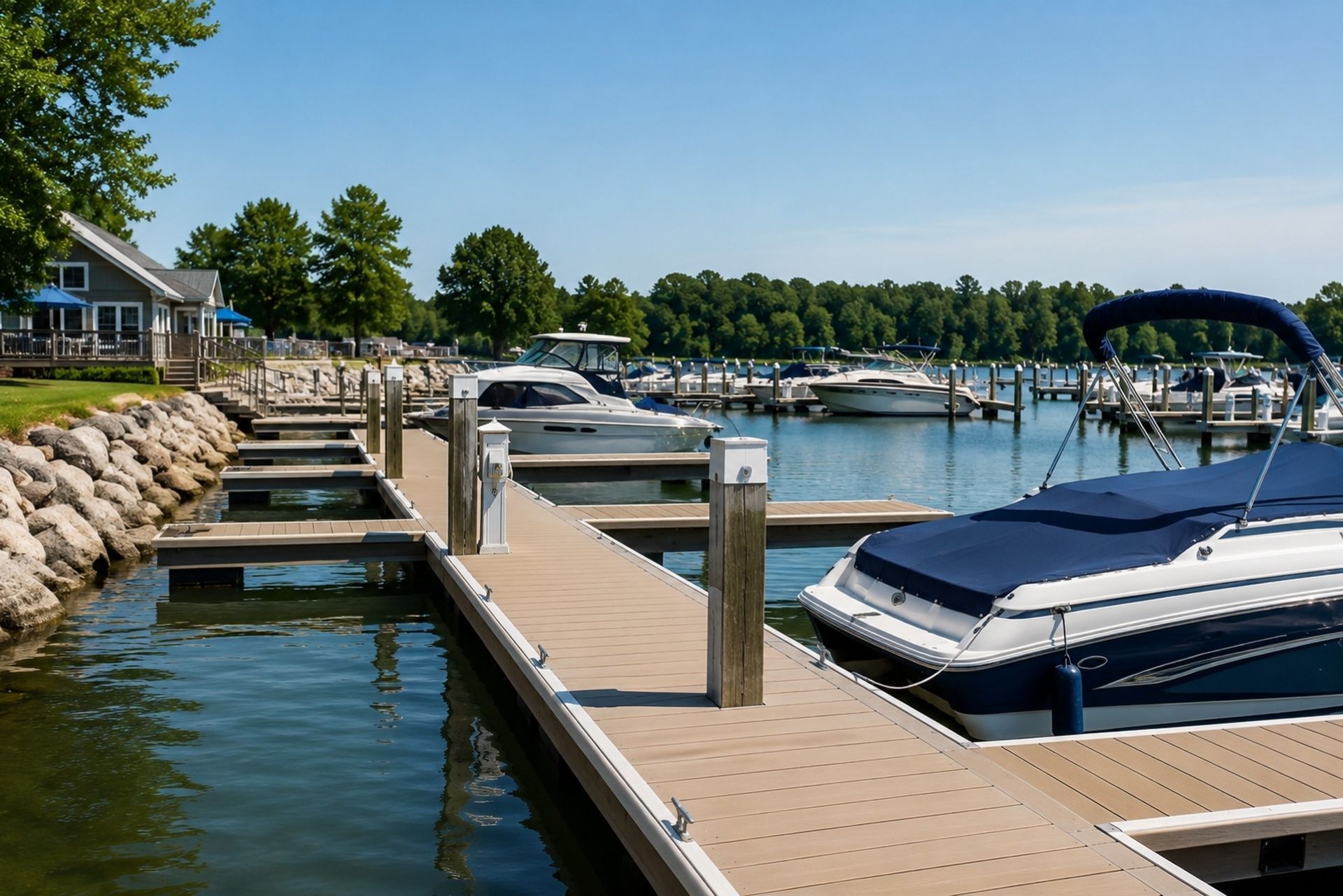
Your physical waterfront structures face constant assault from Michigan's environment. Docks, piers, fuel docks, and seawalls represent significant capital investments, and they're exposed to hazards that standard property policies often exclude or limit. Wave action, ice damage, collision by vessels, and windstorms all threaten these structures.
A marine property policy or a specialized endorsement covers repair and replacement costs for your waterside infrastructure. Make sure your policy values these structures at replacement cost rather than actual cash value. A 15-year-old dock system might have minimal book value but could cost $300,000 to replace. The gap between those numbers is where owners get burned.

By: John T. Frye, Jr
Managing Partner at Doeren Mayhew Insurance Group
Comparing Standard and Specialized Marine Policies
Not all insurance policies are created equal, and the difference between a standard commercial package and a specialized marine program can mean the difference between full recovery and financial ruin after a major loss. Recent marina insurance market research reveals steady premium increases alongside growing concerns about coverage gaps, making it more important than ever to understand exactly what you're buying.
Standard commercial policies are designed for land-based businesses. They work fine for your office building or retail shop, but they weren't built for the unique combination of water, weather, fuel, and vessel exposure that defines marina operations. Specialized marine policies address these gaps directly.
Coverage Comparison Table
| Coverage Area | Standard Commercial Policy | Specialized Marine Policy |
|---|---|---|
| Slip-and-fall on dock | Covered under CGL | Covered under CGL or marine GL |
| Vessel damage in your care | Excluded (care, custody, control) | Covered under MOLL |
| Dock/pier storm damage | Limited or excluded | Full replacement cost available |
| Fuel spill cleanup | Typically excluded | Pollution liability included |
| Customer vessel on land (storage) | Excluded or sublimited | Covered under MOLL |
| Jones Act crew injuries | Not covered | Available as endorsement |
| Boat inventory (dealer stock) | Not covered | Dealer open lot policy |
This table highlights why a standard commercial package leaves marina operators dangerously exposed. The specialized marine program fills every gap that matters to your daily operations.
Michigan's geography and climate create insurance challenges you won't find in most other states. The Great Lakes generate weather patterns that punish waterfront structures, and state and federal regulations add compliance requirements that carry real financial consequences if ignored.
Ice and Snow Loading Coverage for Structures
Michigan winters are brutal on marina infrastructure. Ice loading on docks and piers can exceed 30 pounds per square foot during severe freeze events, and the freeze-thaw cycles common along the Great Lakes cause cumulative structural damage that accelerates over time. Lake-effect snow from Lakes Michigan, Huron, and Superior dumps heavy, wet snow on covered slips and storage buildings.
Your policy needs to explicitly cover ice and snow loading damage. Some marine property forms exclude or sublimit this peril. Review your policy's winter perils section carefully, and if you operate on the Great Lakes, consider higher limits. The cost of rebuilding a dock system destroyed by ice shove can easily exceed $200,000.
Environmental and Fuel Spill Liability
If your marina has fuel pumps, you carry pollution risk every single day. A fuel line rupture, overfill during fueling, or bilge pump discharge can release petroleum into the water. Michigan's Department of Environment, Great Lakes, and Energy (EGLE) enforces strict cleanup standards, and federal regulations under the Clean Water Act apply to navigable waters.
Pollution liability insurance covers cleanup costs, third-party claims, and regulatory fines. Standard CGL policies exclude pollution events almost universally. A single fuel spill cleanup on a Michigan lake can cost $50,000 to $500,000 depending on volume and location. This isn't optional coverage: it's essential for any marina handling fuel.
Jones Act and USL&H Workers Compensation Requirements
If you employ anyone who works on or near navigable waters, federal maritime labor laws may apply to your operation. The Jones Act covers seamen injured during employment, while the Longshore and Harbor Workers' Compensation Act (USL&H) covers dock workers, marina employees, and others who work on navigable waters or adjoining areas.
Standard Michigan workers' compensation won't satisfy these federal requirements. You need USL&H coverage as an endorsement or separate policy. Michigan's
contractor insurance framework requires
specific bonding and insurance documentation for various trades, and maritime operations add another layer of compliance. Failing to carry proper maritime workers' comp exposes you to uncapped personal injury lawsuits under the Jones Act, which allows jury trials and doesn't cap damages.
Additional Protections for Full-Service Facilities
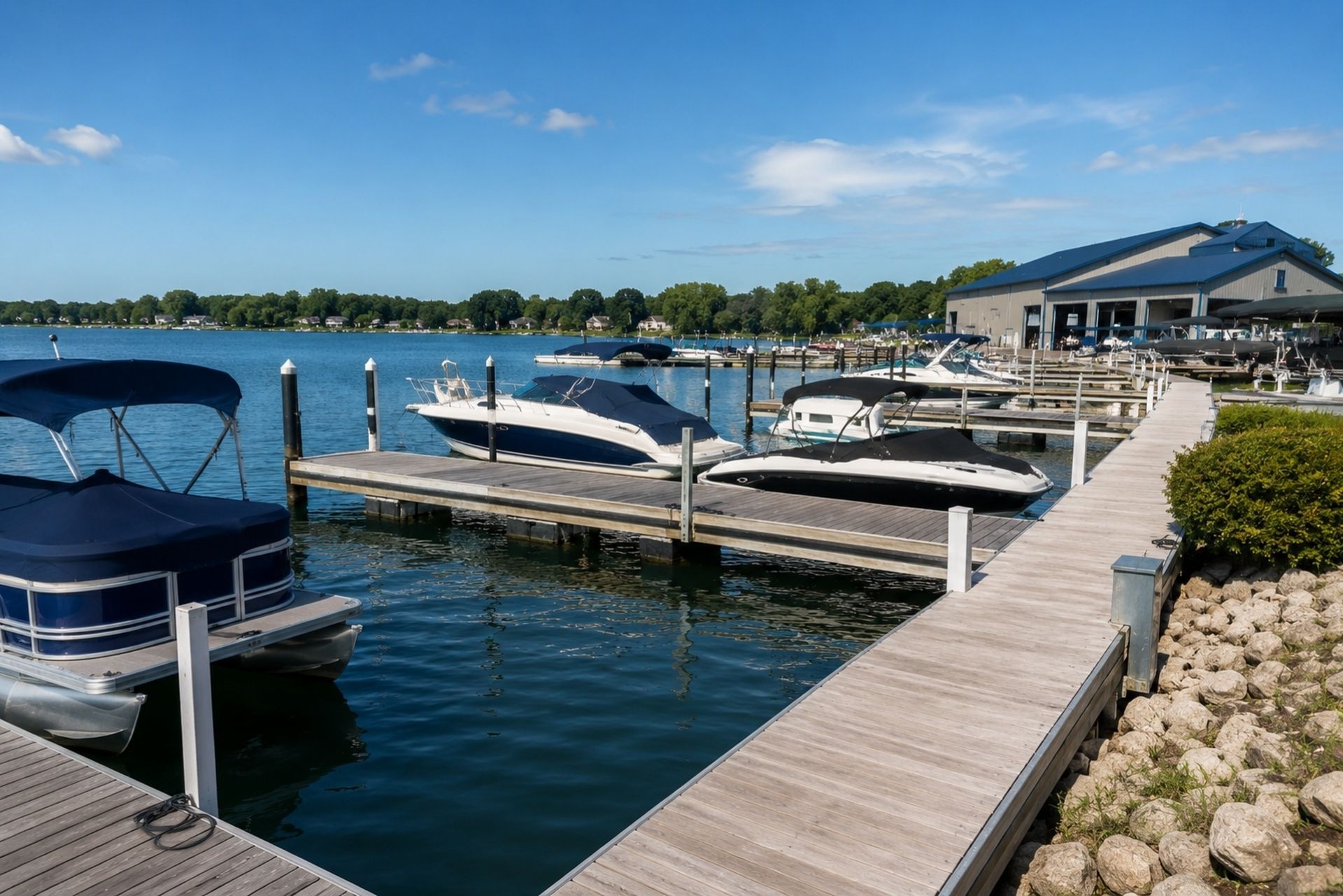
Many Michigan marinas do more than rent slips. If you sell boats, perform repairs, or store vessels over the winter, each of those services creates distinct insurance needs beyond your core marina coverage.
Boat Dealer and Inventory Coverage
Selling new or used boats means you have significant inventory exposed to theft, fire, storm damage, and vandalism. A dealer open lot policy covers your boat inventory while it sits on your lot, in the water at your docks, or during sea trials with prospective buyers. Coverage typically includes the boat, motor, trailer, and installed accessories.
Limits should match your peak inventory value, which for most Michigan dealers hits its highest point in early spring before the selling season. Don't forget to include demonstrator boats and trade-ins that haven't been resold yet. Michigan boat dealers also need to comply with state-specific insurance requirements for their business operations.
Ship Repairers Legal Liability
If your marina performs mechanical work, fiberglass repair, painting, or any other service on customer vessels, ship repairers legal liability covers damage to those boats while they're in your shop. This is different from MOLL because it specifically addresses damage caused during the repair process itself.
A technician who accidentally drills through a hull, a painter who uses the wrong product and damages gelcoat, or a mechanic whose work leads to an engine fire on the water: these are all ship repairer claims. Coverage typically runs from $250,000 to $2 million depending on the scope of your repair operations. Without it, you're personally liable for every mistake your team makes on a customer's vessel.
Common Questions About Marina Insurance
How much does marina insurance cost in Michigan?
Premiums vary widely based on your location, number of slips, services offered, and claims history. A small inland lake marina might pay $5,000 to $15,000 annually, while a large Great Lakes facility with fuel, repairs, and 200+ slips could pay $50,000 to $150,000 or more.
Does my marina insurance cover customer boats automatically?
No. Customer-owned vessels are only covered under MOLL if they're in your care, custody, or control. Boats simply renting a slip are typically the owner's responsibility. Michigan boat owners should carry their own watercraft insurance policies for their vessels.
What happens if I don't carry pollution liability?
You're personally responsible for all cleanup costs, which can reach six figures. EGLE can also issue fines and require ongoing environmental monitoring at your expense. Your CGL policy won't help.
Do I need an umbrella policy?
Most marina operators should carry an umbrella or excess liability policy. If a serious injury or multi-vessel fire generates claims exceeding your primary limits, the umbrella provides additional protection. Limits of $2 million to $5 million are common for mid-sized operations.
Am I required to carry workers' compensation in Michigan?
Yes. Michigan requires workers' compensation for businesses with one or more employees. If those employees work on or near navigable water, you'll also need USL&H coverage to comply with federal maritime law.
Can I require slip renters to carry their own insurance?
You can and should. Most well-run marinas require slip renters to show proof of watercraft liability insurance and name the marina as an additional insured on their policy.
What's the biggest coverage mistake marina owners make?
Relying on a standard commercial policy without marine-specific endorsements. The care, custody, and control exclusion in CGL policies is the single largest gap, and it's the one that generates the biggest claims.
Making the Right Choice for Your Waterfront Business
Your marina sits at the intersection of land-based and maritime risk, and your insurance program needs to reflect that reality. A standard commercial package leaves critical gaps in vessel protection, pollution liability, and federal maritime compliance. Building a layered program with CGL, MOLL, marine property, pollution liability, and proper workers' compensation creates the foundation your business needs.
Work with a broker who specializes in marine risks, not a generalist who handles your auto and homeowners policies. Ask to see the specific exclusions in every policy, and make sure your dock and pier structures are valued at replacement cost. Request annual policy reviews as your operation grows or changes.
Michigan's waterfront businesses face unique pressures from weather, regulation, and the sheer value of property in their care. The right coverage for your marina and dock operation isn't just about checking a box: it's about protecting the business you've built against the risks that come with working on the water every day.
About The Author:
John T. Frye, Jr.
Taylor Richardson is the founder and CEO of 5M Insurance. With a focus on real estate risk management, Taylor helps investors and property managers nationwide secure smarter, scalable coverage solutions—without the headaches of traditional insurance brokers.
Personal Insurance Subservices
Auto insurance offers crucial financial protection against accidents, injuries, property damage, theft, and other costly liabilities.
Homeowners insurance is not only critical in protecting your property investment and personal belongings, but also protects against potential liability claims in the future.
Even if you have adequate homeowners and auto insurance coverage, umbrella insurance policies help to cover large, unexpected losses.
Plan for the future and get peace of mind with our time-tested life insurance solutions that are customized to your unique needs.
Long-term care insurance offers coverage for out-of-pocket expenses that are generally not covered by health insurance, Medicare, or Medicaid.
Disability insurance can replace a percentage of your income in the event you are unable to work due to an illness, injury, or other health condition.
We treat every client with the utmost care and attention. However, we know high-net-worth individuals have unique exposures and needs that require specialized expertise.
How We Can Help
Contact us to learn more about how we can help protect your long-term financial security.
Related VIEWpoints




Contact Us
