
Running a medical transport business in Michigan means dealing with a unique set of insurance challenges that operators in other states don't face. Michigan's
no-fault auto insurance system, strict Medicaid enrollment requirements, and the physical demands of transporting patients with mobility needs all shape the policies you need and the premiums you'll pay. Whether you're launching your first wheelchair-accessible van or expanding a fleet of sedans, the right coverage isn't optional: it's the foundation your business stands on. Getting this wrong can mean losing your Medicaid provider enrollment, facing personal liability for a patient injury, or watching a single accident shut down your entire operation. This Michigan NEMT insurance guide breaks down the coverage types, cost factors, and regulatory details you need to make informed decisions. The stakes are high. Michigan NEMT operators face
average annual insurance costs between $8,000 and $22,000 per vehicle, with wheelchair-accessible vans sitting at the higher end of that range. Those numbers climb quickly when you're running multiple vehicles, and choosing the wrong policy structure can leave dangerous gaps. The information here reflects 2026 regulations and market conditions, so you're working with current data rather than outdated guidance.
Understanding Michigan NEMT Insurance Requirements
Michigan treats medical transport operators differently than standard commercial fleets. The state's Department of Health and Human Services (MDHHS) requires NEMT providers enrolled in Medicaid to carry specific insurance minimums and maintain active compliance documentation. You can find the full enrollment and contact process for NEMT providers through MDHHS, and staying current with their bulletins matters because requirements shift.
Your insurance isn't just a business expense: it's a condition of your provider agreement. Lapse in coverage, even for a day, and you risk losing your Medicaid billing privileges.
Michigan No-Fault Reform and Personal Injury Protection (PIP)
Michigan's no-fault auto insurance system is unlike nearly every other state's. Under this system, your own insurance pays for injuries to people in your vehicle regardless of who caused the accident. The 2019 no-fault reform gave drivers options on PIP coverage levels, but NEMT operators need to think carefully before choosing anything less than unlimited PIP.
Here's why: your passengers are often elderly, disabled, or medically fragile. A minor fender-bender that wouldn't faze a healthy adult could result in serious complications for a dialysis patient or someone recovering from surgery. Choosing a lower PIP tier to save on premiums exposes you to catastrophic out-of-pocket costs if a passenger's medical bills exceed your coverage cap. Most experienced NEMT operators in Michigan maintain unlimited PIP coverage for exactly this reason.
The no-fault system also means you'll pay a Michigan Catastrophic Claims Association (MCCA) assessment per vehicle. That fee changes annually, and it's baked into your premium.
Commercial Auto vs. Personal Auto Insurance
Personal auto policies won't cover you. Period. If you're transporting patients for compensation, your personal insurer will deny any claim the moment they learn the vehicle was used commercially. This is one of the most common and costly mistakes new operators make.
A
commercial auto policy is designed for vehicles used in
business operations. It covers liability, collision, and comprehensive damage while the vehicle is performing its commercial function. For NEMT specifically, you need a policy that acknowledges passenger transport, not just cargo or general business use. Some carriers write "for-hire" or "livery" endorsements, while others offer NEMT-specific commercial auto products. Make sure your policy language explicitly covers patient transport, or you could face a denied claim when you need coverage most.

By: John T. Frye, Jr
Managing Partner at Doeren Mayhew Insurance Group
Core Coverage Types for Medical Transport
Your insurance program isn't a single policy. It's a stack of coverages that work together to protect different aspects of your operation. Missing one layer can leave you exposed even if every other policy is solid.
General Liability and Professional Liability (Malpractice)
General liability covers third-party bodily injury and property damage that happen during your business operations but outside the vehicle. Think: a patient falls on your office premises, or your driver damages a client's property while helping them to the door. Standard GL policies for NEMT operators typically start at $1 million per occurrence with a $2 million aggregate limit. Many Medicaid managed care contracts and facility agreements require these minimums before they'll work with you.
Professional liability, sometimes called malpractice or errors and omissions coverage, is a separate concern. If a scheduling error causes a patient to miss a critical medical appointment, or if a driver fails to properly secure a wheelchair and the patient is injured, professional liability responds. This coverage fills gaps that general liability doesn't touch. Not every NEMT insurer bundles it automatically, so ask specifically.
Physical Damage and Hired/Non-Owned Auto Coverage
Physical damage coverage (collision and comprehensive) protects your vehicles themselves. If you're financing or leasing your vans, your lender will require it. Even if you own your vehicles outright, replacing a $65,000 wheelchair-accessible van out of pocket after a total loss isn't realistic for most small operators.
Hired and non-owned auto coverage is critical if any of your drivers ever use a personal vehicle for business purposes, even temporarily. It also applies if you rent or borrow vehicles. Without it, an accident in a non-company vehicle during a business trip creates a coverage void that falls directly on you.
Comparison of Coverage Levels
Choosing between minimum coverage and comprehensive protection is one of the biggest financial decisions you'll make as an operator. The table below shows what each approach looks like in practice.
Comparison Table: State Minimum vs. Comprehensive Protection
| Coverage Type | State Minimum | Comprehensive Protection |
|---|---|---|
| Commercial Auto Liability | $500,000 combined single limit | $1M per occurrence / $2M aggregate |
| PIP (Personal Injury Protection) | Reduced tiers available | Unlimited PIP recommended |
| General Liability | Often not required by state | $1M per occurrence / $2M aggregate |
| Professional Liability | Not required | $1M per occurrence |
| Physical Damage | Not required unless financed | Full collision + comprehensive |
| Hired/Non-Owned Auto | Not included | Included |
| Umbrella Policy | Not included | $1M-$5M excess liability |
| Estimated Annual Cost (per vehicle) | $8,000-$12,000 | $16,000-$22,000+ |
The gap between these two columns is where lawsuits, denied Medicaid claims, and business-ending losses live. An umbrella policy is particularly valuable for NEMT operators because a single serious passenger injury can generate claims well beyond your primary policy limits. Facilities and managed care organizations increasingly require proof of umbrella coverage before adding you to their provider networks.
Your premium isn't pulled from thin air. Insurers evaluate specific risk factors, and understanding them gives you some control over what you pay.
Vehicle Types and Safety Equipment
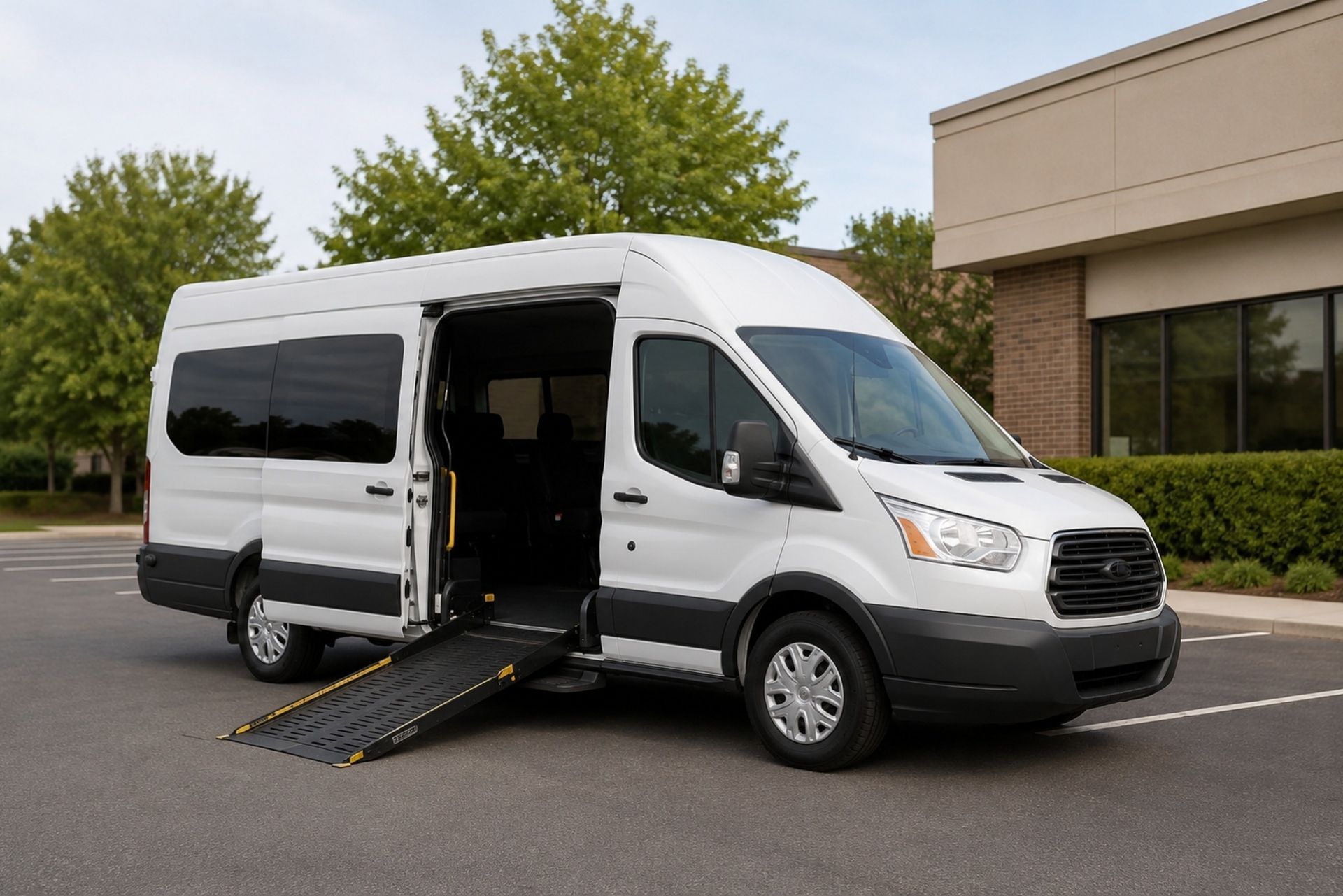
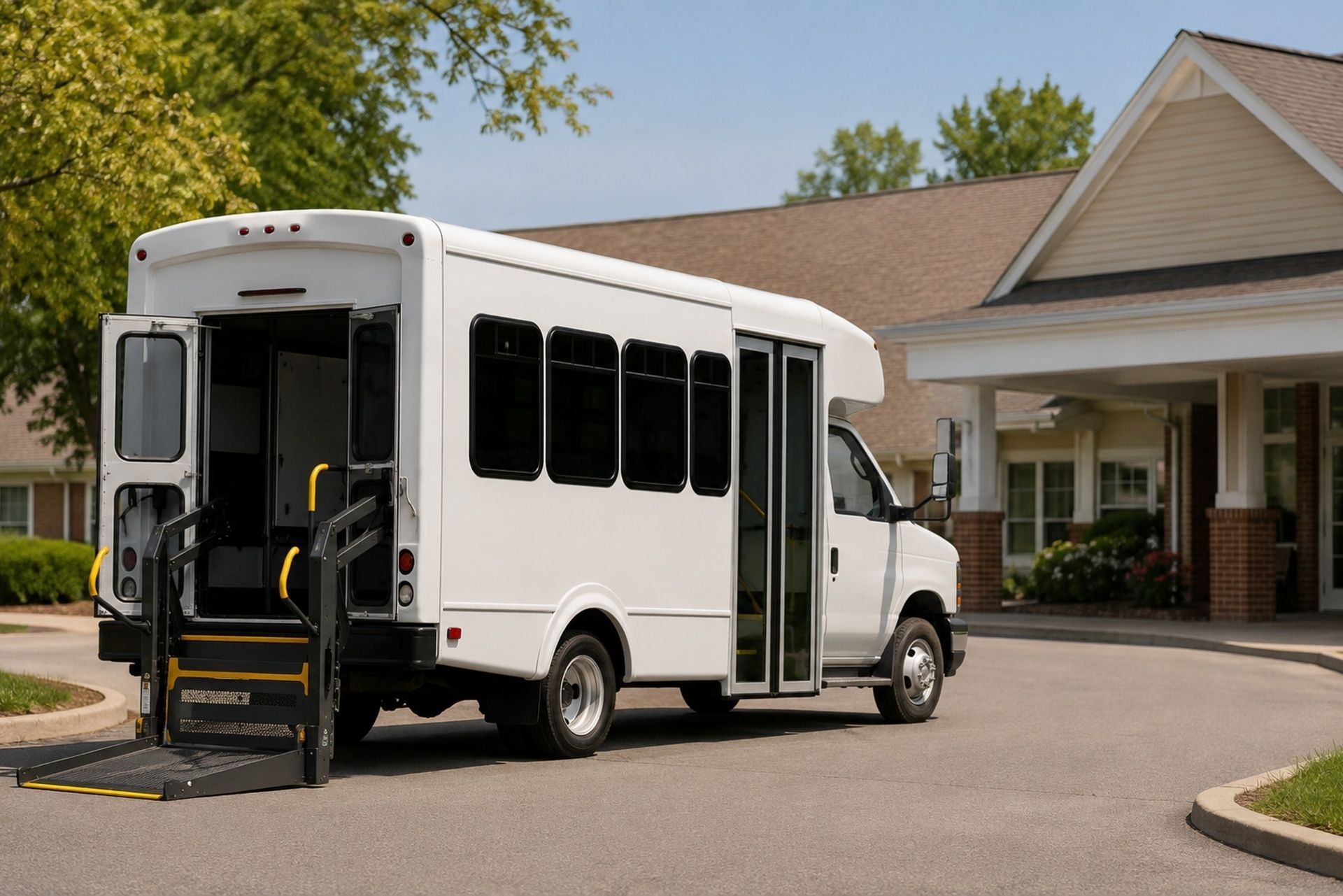
The type of vehicles in your fleet is the single biggest cost driver. A standard sedan used for ambulatory patients costs far less to insure than a wheelchair-accessible van with a hydraulic lift. Vans carry higher premiums because they're more expensive to repair, have more complex equipment that can malfunction, and transport higher-acuity passengers.
Installing safety features can help offset those costs. Backup cameras, GPS tracking, dashcams, and ADA-compliant restraint systems all signal to insurers that you're managing risk proactively. Some carriers offer premium credits for telematics systems that monitor driver behavior in real time. Michigan's NEMT billing and reimbursement guidelines also reference vehicle standards, so meeting those requirements keeps you compliant and potentially lowers your rates.
Driver History and Training Certifications
Every driver on your policy affects your premium. A clean driving record over the past three to five years is the baseline expectation. Any driver with a DUI, at-fault accident, or moving violation history will increase your costs, sometimes dramatically.
Training certifications make a measurable difference. Drivers certified in CPR, first aid, defensive driving, and passenger assistance techniques represent lower risk to insurers. Some Michigan NEMT operators require their drivers to complete wheelchair securement certification programs, which both reduces accident frequency and demonstrates a safety-first culture. If you're hiring new drivers, building these requirements into your onboarding process pays for itself in lower premiums over time.
Michigan's legislature has also been active in expanding transport categories. The state Senate has
introduced legislation addressing behavioral health transport vehicles, which may create new insurance requirements for operators serving behavioral health patients. Staying ahead of these changes protects your business from compliance surprises.
Common Questions About NEMT Insurance
FAQ: Cost, Claims, and Michigan Rules
How much does NEMT insurance cost in Michigan per vehicle? Expect to pay between $8,000 and $22,000 annually per vehicle. Sedans fall on the lower end, while wheelchair-accessible vans with lifts cost more. Your driver records and claims history also move the needle.
Do I need insurance before enrolling as a Medicaid NEMT provider? Yes. MDHHS requires proof of active commercial auto and general liability insurance as part of the enrollment process. You can review current Medicaid provider fee schedules and requirements for additional context on what the state expects.
What happens if my insurance lapses? A lapse can trigger suspension of your Medicaid provider agreement. You won't be able to bill for trips, and reinstatement isn't guaranteed. Even a brief gap creates serious problems.
Does my personal auto policy cover NEMT trips? No. Personal auto policies exclude commercial passenger transport. Using a personal policy for NEMT trips means any claim will be denied, and you'll be personally liable for all damages and injuries.
Should I carry an umbrella policy? For most operators, yes. A $1 million to $5 million umbrella policy provides excess liability protection above your primary policies. Given that a single serious injury claim can exceed $1 million, the relatively modest cost of umbrella coverage is well worth it.
Are there special requirements for wheelchair-accessible vehicles? Michigan requires ADA-compliant equipment and proper securement systems. Your insurance policy should specifically cover lift equipment, ramp failures, and injuries related to wheelchair securement. Confirm this with your carrier in writing.
Getting your insurance right from the start saves you from expensive corrections later. Start by requesting quotes from carriers that specialize in NEMT rather than general commercial auto insurers. Specialists understand the nuances of patient transport, Michigan's no-fault system, and Medicaid compliance requirements.
Review your current policies against the comparison table above. If you're carrying only state minimums, honestly assess whether that level of protection matches the real risks your business faces daily. A single denied claim or uncovered lawsuit can cost more than years of comprehensive premiums.
Keep your compliance documentation organized and current. Set calendar reminders for policy renewal dates, MCCA assessment deadlines, and Medicaid re-enrollment periods. Michigan's MDHHS has been updating its NEMT bulletins and provider requirements throughout 2026, so check for changes quarterly.
Your transport business exists to help vulnerable people get to medical care safely. The right insurance program makes sure you can keep doing that, trip after trip, year after year, without a single claim threatening everything you've built.
About The Author:
John T. Frye, Jr.
Taylor Richardson is the founder and CEO of 5M Insurance. With a focus on real estate risk management, Taylor helps investors and property managers nationwide secure smarter, scalable coverage solutions—without the headaches of traditional insurance brokers.
Personal Insurance Subservices
Auto insurance offers crucial financial protection against accidents, injuries, property damage, theft, and other costly liabilities.
Homeowners insurance is not only critical in protecting your property investment and personal belongings, but also protects against potential liability claims in the future.
Even if you have adequate homeowners and auto insurance coverage, umbrella insurance policies help to cover large, unexpected losses.
Plan for the future and get peace of mind with our time-tested life insurance solutions that are customized to your unique needs.
Long-term care insurance offers coverage for out-of-pocket expenses that are generally not covered by health insurance, Medicare, or Medicaid.
Disability insurance can replace a percentage of your income in the event you are unable to work due to an illness, injury, or other health condition.
We treat every client with the utmost care and attention. However, we know high-net-worth individuals have unique exposures and needs that require specialized expertise.
How We Can Help
Contact us to learn more about how we can help protect your long-term financial security.
Related VIEWpoints




Contact Us
