
A single scratch on a customer's BMW can cost your shop thousands. A slip on an icy lot in January can turn into a six-figure lawsuit. Running a car wash or auto detailing business in Michigan means dealing with risks that operators in warmer, drier states simply don't face. Between lake-effect snow, road salt corrosion, and strict state regulations, your insurance needs are shaped by geography as much as by your services. This guide to car wash and auto detailing insurance in Michigan breaks down the specific coverages you need, the risks unique to this state, and the factors that drive your premium costs. Whether you run a single tunnel wash in Grand Rapids or a mobile detailing van in Metro Detroit, the right policy structure can mean the difference between surviving a claim and closing your doors. Michigan's car wash industry continues to grow, with the
broader sector bracing for slower but steady expansion in 2026, making this the right time to get your coverage in order. Understanding your obligations now protects the business you've worked hard to build.
Core Insurance Requirements for Michigan Auto Businesses
Michigan doesn't require a specific "car wash license," but your business still falls under the oversight of LARA (the Department of Licensing and Regulatory Affairs). You'll need a standard business license, and depending on your municipality, you may need environmental or zoning permits. Insurance requirements flow from both state law and the contracts you sign with landlords, lenders, and commercial partners.
At minimum, most Michigan car wash and detailing operations need general liability, garagekeepers coverage, workers' compensation (if you have employees), and commercial property insurance. Many landlords and franchise agreements also require you to carry umbrella policies with limits of $1 million per occurrence and $2 million aggregate, sometimes higher. If you're financing equipment, your lender will likely require proof of coverage before releasing funds.
General Liability and Garagekeepers Coverage
General liability protects you when a customer gets hurt on your property or when your operations damage someone else's property. Think of a customer tripping over a hose or water runoff damaging a neighboring business's landscaping. Standard policies typically start at $1 million per occurrence.
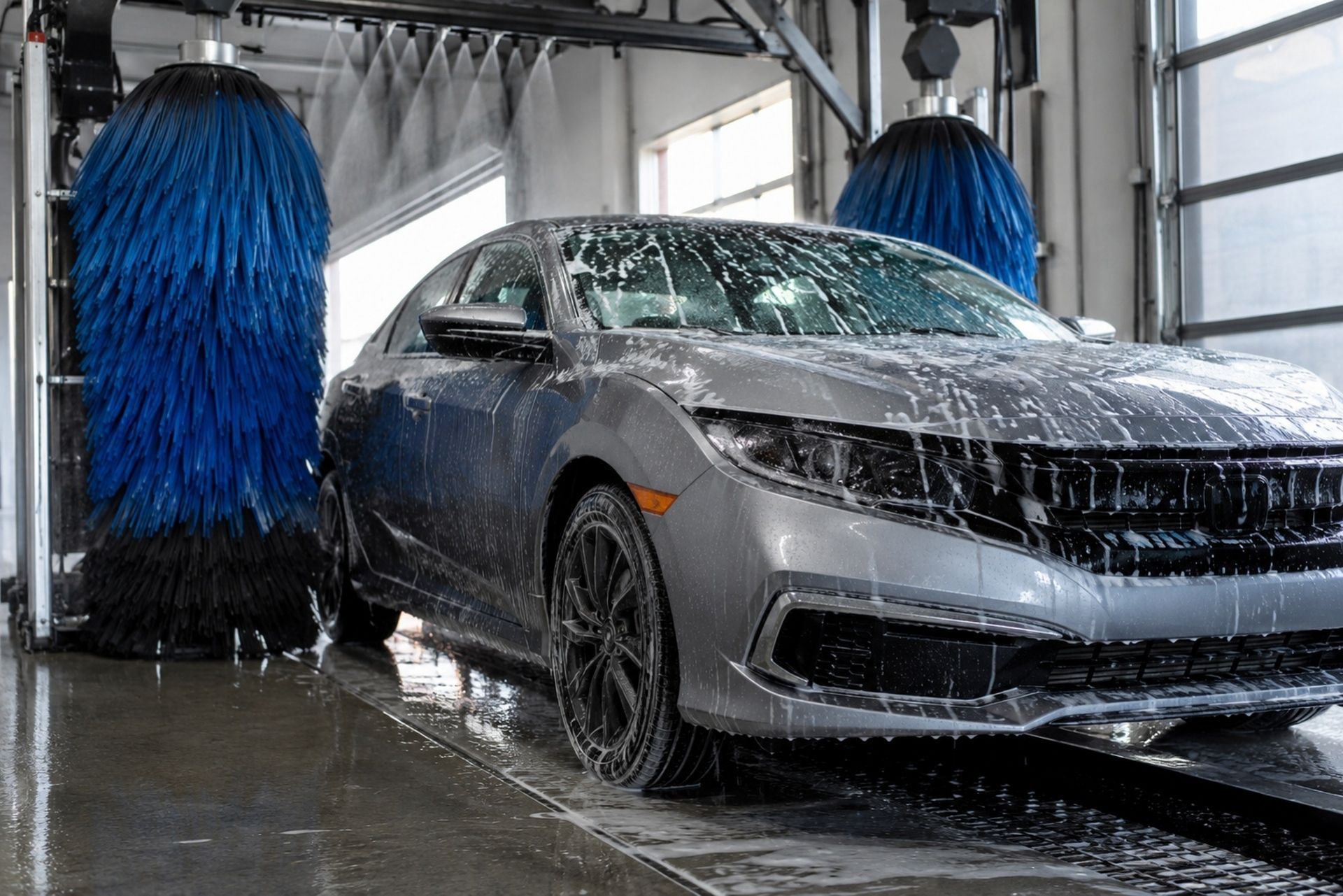
Garagekeepers coverage is where things get specific to your industry. This policy covers damage to vehicles that are in your care, custody, or control. If your automated brush system rips off an antenna, or a detailer accidentally burns through clear coat with a buffer, garagekeepers pays for the repair. Without it, you're covering those claims out of pocket. Michigan operators handling car detailing services should treat garagekeepers as non-negotiable, not optional.
Michigan Workers' Compensation Compliance
Michigan law is clear: if you have one or more employees, you must carry workers' compensation insurance. There's no small-business exemption. The Michigan Workers' Disability Compensation Act applies to part-time, full-time, and seasonal workers alike.
Car wash and detailing work is physically demanding. Repetitive motion injuries from buffing, chemical burns from degreasers, and slips on wet concrete are common claims. Your workers' comp premium is calculated based on your payroll and your industry classification code, and car wash operations tend to carry moderate risk ratings. Failing to carry this coverage can result in fines up to $1,000 per day, plus you become personally liable for any workplace injury costs. LARA actively audits businesses for compliance, so don't assume you'll fly under the radar.

By: John T. Frye, Jr
Managing Partner at Doeren Mayhew Insurance Group
Comparing Standard vs. Specialized Coverage
A standard business owner's policy, often called a BOP, bundles general liability with commercial property coverage. It's a decent starting point, but it leaves significant gaps for car wash and detailing operations. Specialized policies built for this industry fill those gaps with coverages a generic BOP simply doesn't include.
The real difference shows up during claims. A standard policy might deny a claim for chemical runoff contamination because it wasn't specifically covered. A specialized policy designed for car washes would include that scenario. You're not paying much more for specialized coverage, but you're getting protection that actually matches your risk profile.
Coverage Comparison Table
| Coverage Feature | Standard BOP | Specialized Car Wash Policy |
|---|---|---|
| General Liability | Included | Included |
| Garagekeepers | Not included | Included |
| Equipment Breakdown | Limited or excluded | Included for tunnel systems |
| Pollution/Chemical Liability | Excluded | Available as endorsement |
| Business Income (weather delay) | Basic | Extended for seasonal loss |
| Inland Marine (mobile equipment) | Not included | Available for mobile detailers |
| Installation Floater | Not included | Covers work-in-progress damage |
Industry-Specific Risks in the Great Lakes State
Michigan's geography and climate create a distinct risk profile. Operators here face challenges that don't exist in Arizona or Florida. Your insurance strategy needs to account for these regional realities, not just generic business risks.
Environmental and Pollution Liability
Car washes generate wastewater containing soap, wax residue, oil, grease, and road salt. Michigan's Department of Environment, Great Lakes, and Energy (EGLE) enforces strict discharge regulations. If your water reclamation system fails and contaminated runoff enters a storm drain or nearby waterway, you're facing potential fines and cleanup costs that can reach six figures.
Standard general liability policies exclude pollution events. You need a separate pollution liability endorsement or a standalone environmental policy. This is especially critical if your wash is located near any of Michigan's thousands of inland lakes or tributaries. A single violation can trigger both state penalties and civil lawsuits from neighboring property owners.
Winter Weather and Slip-and-Fall Hazards
Michigan winters are brutal for car wash businesses. Lake-effect snow, freezing rain, and temperatures that stay below zero for weeks create constant slip-and-fall exposure. Your lot, your bay floors, and your vacuum stations all become hazard zones from November through March.
Slip-and-fall claims are among the most common and most expensive liability claims in the industry. A customer who breaks a hip on your icy lot can easily generate a claim exceeding $50,000. You need to document your snow removal and salting schedule religiously. Your insurer will ask for these records during any claim investigation. DTE Energy outages during winter storms can also shut down your heating and water systems, creating additional freeze damage to pipes and equipment.
Equipment Breakdown for Automated Tunnels
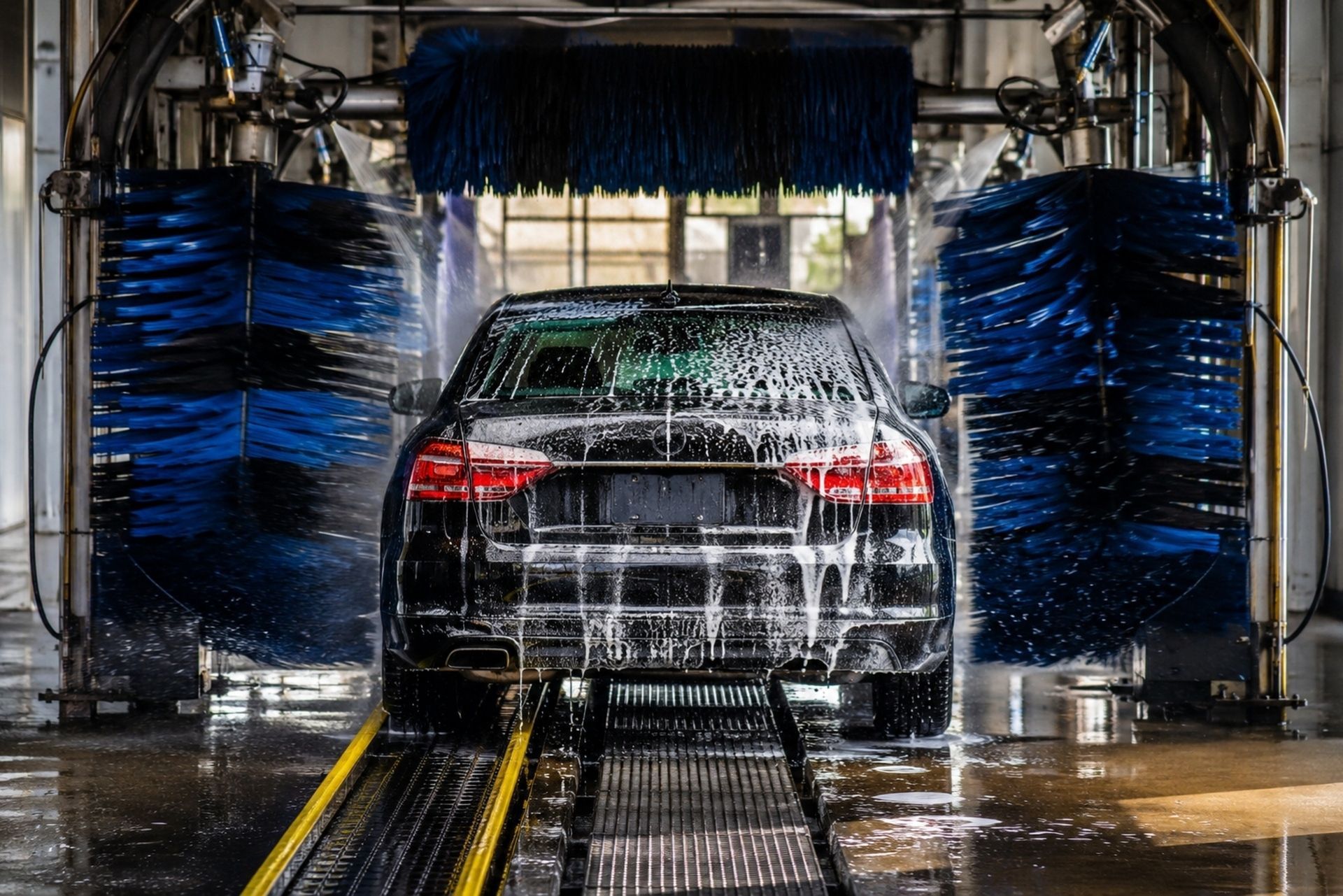
Tunnel car washes rely on complex mechanical systems: conveyors, high-pressure pumps, chemical dispensing units, and programmable logic controllers. When a conveyor chain snaps or a pump motor burns out, you're not just paying for repairs. You're losing revenue every hour the tunnel sits idle.
Equipment breakdown coverage, sometimes called mechanical breakdown insurance, covers the cost of repairing or replacing failed machinery plus the business income you lose during downtime. This coverage is separate from your commercial property policy, which typically only covers damage from external events like fire or storms. For a tunnel wash doing $3,000 to $5,000 per day in revenue, even a three-day shutdown represents a serious financial hit. The
Southeast car wash industry outlook for 2026 highlights how rising equipment costs across the sector make this coverage more relevant than ever.
Your premium isn't a random number. Insurers calculate it based on measurable risk factors specific to your operation.
- Your annual revenue and daily vehicle count directly affect your general liability premium
- The type of wash matters: full-service and tunnel washes pay more than self-serve bays
- Your claims history over the past three to five years is the single biggest factor
- Location plays a role, with urban areas like Detroit and Flint carrying higher rates than rural towns
- The age and condition of your equipment affects equipment breakdown premiums
- Whether you offer additional services like ceramic coating, paint correction, or window tinting adds exposure
Mobile detailers typically pay lower premiums than fixed-location washes because they don't carry the same property and slip-and-fall exposure. That said, they need inland marine coverage for equipment in transit and may need higher auto liability limits.
Michigan-specific car wash insurance providers can help you compare quotes tailored to your exact operation type.
Common Questions About Car Wash Insurance
Do I need insurance if I only do mobile detailing?
Yes. Even without a physical location, you're still handling customers' vehicles and using chemicals that can damage paint or interiors. You need general liability, garagekeepers, and commercial auto insurance at minimum. Your personal auto policy won't cover business use of your vehicle.
Does garagekeepers cover the car if I'm driving it?
No. Garagekeepers covers vehicles while they're parked at your location or in your care for service. If you're moving a customer's car and get into an accident, that falls under garage liability or your commercial auto policy. These are separate coverages.
What happens if a customer claims I scratched their paint?
Your garagekeepers policy handles this type of claim. Document the vehicle's condition before you start work, ideally with timestamped photos or video. Many claims are for pre-existing damage, and good documentation is your best defense against fraudulent or inflated claims.
Is my pressure washer covered if it gets stolen?
If it's stolen from your shop, commercial property insurance covers it. If it's stolen from your van or trailer, you need inland marine coverage. Standard property policies often exclude equipment stored in vehicles, so check your policy language carefully.
How much does a basic policy cost in Michigan?
A basic general liability policy for a small detailing operation typically runs $500 to $1,500 per year. A full package for a tunnel wash, including garagekeepers, equipment breakdown, workers' comp, and umbrella coverage, can range from $5,000 to $15,000 annually depending on revenue and claims history.
The Bottom Line for Michigan Owners
Running a car wash or detailing business in Michigan means operating in a state where weather, environmental regulations, and slip-and-fall risks demand more than a basic insurance policy. The right coverage protects your equipment, your employees, your customers' vehicles, and ultimately your livelihood.
Don't settle for a generic business policy that wasn't designed for your industry. Work with an agent who understands car wash operations and Michigan-specific risks. Ask to see sample policy language for garagekeepers and pollution liability before you sign. Request that your landlord or lender be named as an additional insured if required, and review your full policy documents rather than relying on a certificate of insurance alone.
Your next step is straightforward: get three quotes from insurers who specialize in this space, compare the actual coverage terms side by side, and make a decision based on what's covered, not just what's cheapest. Your business depends on it.
About The Author:
John T. Frye, Jr.
Taylor Richardson is the founder and CEO of 5M Insurance. With a focus on real estate risk management, Taylor helps investors and property managers nationwide secure smarter, scalable coverage solutions—without the headaches of traditional insurance brokers.
Personal Insurance Subservices
Auto insurance offers crucial financial protection against accidents, injuries, property damage, theft, and other costly liabilities.
Homeowners insurance is not only critical in protecting your property investment and personal belongings, but also protects against potential liability claims in the future.
Even if you have adequate homeowners and auto insurance coverage, umbrella insurance policies help to cover large, unexpected losses.
Plan for the future and get peace of mind with our time-tested life insurance solutions that are customized to your unique needs.
Long-term care insurance offers coverage for out-of-pocket expenses that are generally not covered by health insurance, Medicare, or Medicaid.
Disability insurance can replace a percentage of your income in the event you are unable to work due to an illness, injury, or other health condition.
We treat every client with the utmost care and attention. However, we know high-net-worth individuals have unique exposures and needs that require specialized expertise.
How We Can Help
Contact us to learn more about how we can help protect your long-term financial security.
Related VIEWpoints



Contact Us
