
A fire at a neighboring strip mall, a burst pipe flooding your office suite overnight, or a severe windstorm tearing through Oakland County: these are the scenarios that keep commercial property owners up at night. If you own or lease business space in Troy, MI, the right
commercial property insurance policy isn't just a line item on your budget. It's the difference between rebuilding quickly and watching years of investment evaporate. Troy sits at the center of one of Michigan's most active commercial corridors, and the risks here are as specific as the market itself. Understanding what shapes your coverage needs, and what gaps to watch for, puts you in a stronger position before a claim ever happens.
Protecting Your Business Assets in Troy
Troy is home to more than 8,500 businesses, from corporate headquarters along Big Beaver Road to small retail shops near the Somerset Collection. That concentration of commercial activity means property values are high, competition for tenants is real, and the financial stakes of a loss event are significant. Your building, equipment, inventory, and tenant improvements all represent capital that deserves protection tailored to this market.
One thing that separates Troy from other Michigan cities is the mix of older office parks built in the 1970s and 1980s alongside newer construction. Each building type carries its own risk profile. A 1978 office building with original wiring and flat roofing has different exposure than a Class A space built in 2018 with modern fire suppression. Your policy should reflect those differences, not paper over them with generic coverage.
Local Risks and Property Values in Oakland County
Michigan's freeze-thaw cycles are brutal on commercial roofs and plumbing. Lake-effect snow loads can exceed what older structures were designed to handle, and ice dams cause water intrusion that goes unnoticed for weeks. DTE Energy outages during winter storms can lead to frozen pipes and secondary water damage, a claim type that's far more common here than in warmer states.
Troy's office vacancy rate reached 22.25% as of mid-2025, a figure that matters more than you might think. Many insurers apply "vacancy clauses" that restrict or eliminate coverage for buildings unoccupied beyond 60 days. If you own a partially vacant office building, your policy might not respond the way you expect during a loss. Reviewing your vacancy provisions with your agent is a step worth taking before winter hits.
What Commercial Property Insurance Covers
A standard commercial property policy protects your building, business personal property, and improvements you've made to leased space. It also covers debris removal, some outdoor fixtures, and property of others in your care. The core perils typically include fire, lightning, explosion, windstorm, hail, smoke, vandalism, and certain types of water damage.
What it doesn't cover is just as important. Flood damage requires a separate policy, and earthquake coverage is an endorsement. General wear and tear, pest damage, and government action are excluded from virtually every policy. If your business relies on specialized equipment, like servers, medical devices, or
manufacturing tools, you'll want to confirm those items are scheduled or covered under an inland marine floater rather than assumed under a blanket limit.

By: John T. Frye, Jr
Managing Partner at Doeren Mayhew Insurance Group
Types of Property Coverage for Michigan Businesses
Michigan businesses can choose from several coverage forms, and the differences aren't just academic. They determine whether your claim gets paid in full, partially, or not at all. The two most common forms are "named perils" (also called basic or broad form) and "special form" (sometimes called all-risk, though that's a bit misleading since exclusions still apply).
Named perils policies only cover losses from causes specifically listed in the policy. If your loss comes from something not on the list, you're out of luck. Special form policies flip that logic: they cover all causes of loss except those specifically excluded. For most Troy businesses, special form coverage provides stronger protection because it catches unexpected events that a named perils policy would ignore.
Replacement Cost vs. Actual Cash Value
This distinction affects your payout more than almost any other policy feature. Replacement cost coverage pays to repair or replace damaged property with materials of similar kind and quality, without deducting for depreciation. Actual cash value (ACV) pays the depreciated value, meaning you'll get less for a 15-year-old HVAC system than it costs to install a new one.
Here's a practical example. Say your Troy office building has a roof that's 12 years into a 20-year lifespan. A windstorm tears off a section. Under replacement cost coverage, your insurer pays for a new roof section. Under ACV, they'd deduct 60% for depreciation, leaving you to cover the gap out of pocket. For buildings with aging systems, replacement cost coverage is almost always the better investment, even though premiums run 10-15% higher.
Business Interruption and Loss of Income
Physical damage to your building is only part of the financial hit. If a fire forces you to close for three months, you're still on the hook for mortgage payments, employee salaries, loan obligations, and ongoing expenses. Business interruption coverage replaces your lost net income and covers continuing expenses during the restoration period.
The key detail is the "period of restoration," which defines how long the insurer will pay. Some policies cap this at 12 months; others extend to 18 or 24. For Troy businesses in specialized spaces, like medical offices or
restaurants with custom buildouts, restoration can take longer than expected due to permitting, contractor availability, and supply chain delays. Make sure your policy's restoration period matches a realistic rebuild timeline, not an optimistic one.
Choosing between basic and special form coverage is one of the most consequential decisions you'll make. The premium difference is often modest relative to the protection gap, but many business owners default to the cheaper option without understanding what they're giving up.
Comparison Table: Standard vs. Special Form Policies
| Feature | Basic/Broad Form | Special Form |
|---|---|---|
| Covered perils | Only those listed in the policy | All perils except those excluded |
| Burden of proof | You must prove the cause is covered | Insurer must prove an exclusion applies |
| Water damage | Limited to specific scenarios | Broader, though flood still excluded |
| Collapse coverage | Rarely included | Often included or available by endorsement |
| Equipment breakdown | Not included | Available as endorsement |
| Typical premium difference | Base rate | 15-25% higher than basic |
| Best for | Low-value properties, tight budgets | Most commercial properties |
For most Troy commercial property owners, the special form policy is the better fit. The broader protection and shifted burden of proof mean fewer claim denials and less out-of-pocket exposure after a loss.
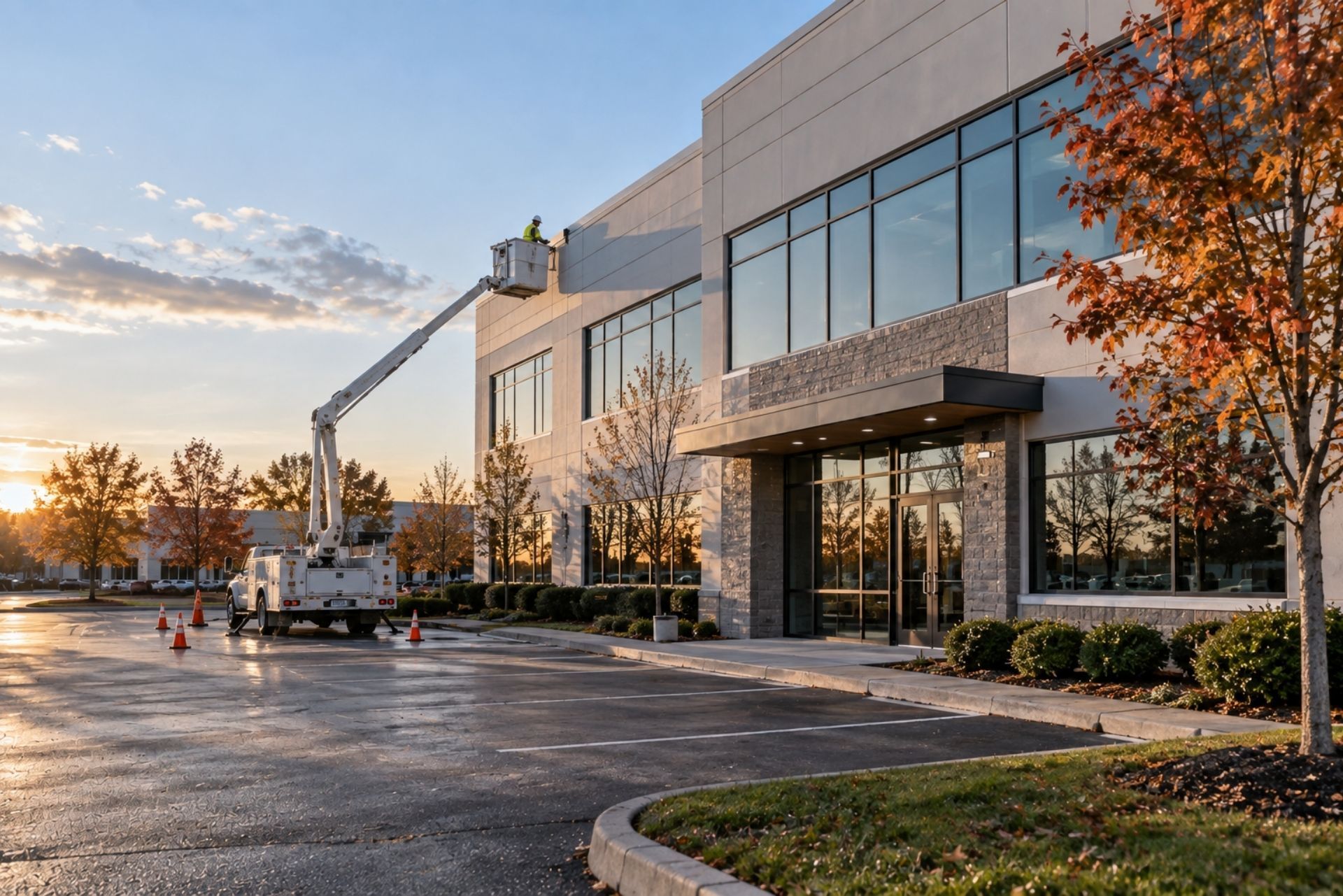
Your premium isn't a random number. Insurers use specific rating factors tied to your building, location, and operations. Understanding these factors gives you a chance to reduce costs before you even request a quote.
Location within Troy matters. Properties near fire stations with professional departments get better rates than those in areas with longer response times. Your building's proximity to fire hydrants, its distance from known flood zones, and even the crime rate in your immediate area all feed into the underwriting model.
Building Construction and Age
Insurers classify buildings by construction type: frame, joisted masonry, non-combustible, masonry non-combustible, modified fire resistive, and fire resistive. A steel-and-concrete Class A office building in Troy's Big Beaver corridor will rate far better than a wood-frame retail strip on Rochester Road.
Age plays a direct role too. Buildings over 30 years old often face surcharges unless the owner can document updates to electrical, plumbing, HVAC, and roofing systems. If you've recently replaced your roof or upgraded your electrical panel, provide that documentation to your agent. It can knock 5-15% off your premium. Michigan legislators have been exploring ways to lower insurance costs for businesses through regulatory reform, but building improvements remain the most reliable way to reduce what you pay today.
Fire Protection and Security Measures
A monitored fire alarm system, automatic sprinklers, and a central station burglar alarm can each earn you premium credits. Sprinklered buildings typically see 15-30% lower property insurance rates compared to non-sprinklered buildings of the same construction class.
Security cameras, controlled access systems, and on-site security personnel also factor in, particularly for retail and warehouse properties. If you've invested in these systems, make sure your insurer knows. Many
Oakland County commercial insurance agencies will conduct a free risk assessment to identify credits you might be missing.
Common Questions About Troy Property Insurance
How much does commercial property insurance cost in Troy?
Premiums vary widely based on building value, construction type, and coverage form. A small retail space might pay $1,200-$3,000 annually, while a large office building could run $10,000-$50,000 or more. Get quotes from at least three carriers for an accurate comparison.
Does my policy cover flooding from heavy rain?
No. Standard commercial property policies exclude flood damage. You'll need a separate flood policy, typically through FEMA's National Flood Insurance Program or a private flood insurer. Troy isn't in a high-risk flood zone, but localized flooding from storms does happen.
What's the difference between a BOP and a standalone property policy?
A Business Owner's Policy (BOP) bundles property and general liability coverage at a discounted rate. It works well for small to mid-sized businesses. Larger or higher-risk operations usually need standalone policies with customized limits and endorsements.
Am I covered if my building sits vacant for several months?
Most policies include a vacancy clause that limits or eliminates coverage after 60 consecutive days of vacancy. Given Troy's current office vacancy trends, this is a real concern for property owners. Ask your agent about vacancy permits, which can extend coverage for an additional premium.
Do I need separate coverage for equipment and tools?
Business personal property coverage handles most equipment inside your building. But if you move equipment between job sites or locations, you'll want an inland marine or equipment floater policy. These cover property in transit or at temporary locations, which a standard property policy won't.
Should I carry an umbrella policy?
If your property values or liability exposure exceed your primary policy limits, an umbrella policy fills the gap. Many commercial leases and contracts require $1 million per occurrence and $2 million aggregate minimums. An umbrella policy helps you meet those thresholds without restructuring your base coverage.
Making the Right Choice for Your Commercial Space
The right commercial property insurance for your Troy business depends on your building, your operations, and your tolerance for risk. A policy that works for a single-tenant retail shop won't serve a multi-tenant office complex, and vice versa.
Start by getting an accurate replacement cost appraisal for your building. Too many owners insure based on purchase price or tax assessed value, both of which can leave you underinsured by 30% or more. Request a special form policy with replacement cost coverage as your baseline, then add endorsements for equipment breakdown, ordinance or law coverage, and business interruption based on your specific situation.
Review your policy annually, not just at renewal. Building improvements, tenant changes, and shifts in property values all affect your coverage needs. If you're carrying vacant space, address the vacancy clause before it becomes a problem. Talk to an independent agent who knows the Troy and Oakland County market, someone who can match your risk profile to the right carrier rather than just quoting the cheapest option. Your commercial property is likely your largest single asset. Protect it with the same care you put into building it.
About The Author:
John T. Frye, Jr.
Taylor Richardson is the founder and CEO of 5M Insurance. With a focus on real estate risk management, Taylor helps investors and property managers nationwide secure smarter, scalable coverage solutions—without the headaches of traditional insurance brokers.
Personal Insurance Subservices
Auto insurance offers crucial financial protection against accidents, injuries, property damage, theft, and other costly liabilities.
Homeowners insurance is not only critical in protecting your property investment and personal belongings, but also protects against potential liability claims in the future.
Even if you have adequate homeowners and auto insurance coverage, umbrella insurance policies help to cover large, unexpected losses.
Plan for the future and get peace of mind with our time-tested life insurance solutions that are customized to your unique needs.
Long-term care insurance offers coverage for out-of-pocket expenses that are generally not covered by health insurance, Medicare, or Medicaid.
Disability insurance can replace a percentage of your income in the event you are unable to work due to an illness, injury, or other health condition.
We treat every client with the utmost care and attention. However, we know high-net-worth individuals have unique exposures and needs that require specialized expertise.
How We Can Help
Contact us to learn more about how we can help protect your long-term financial security.
Related VIEWpoints



Contact Us
