
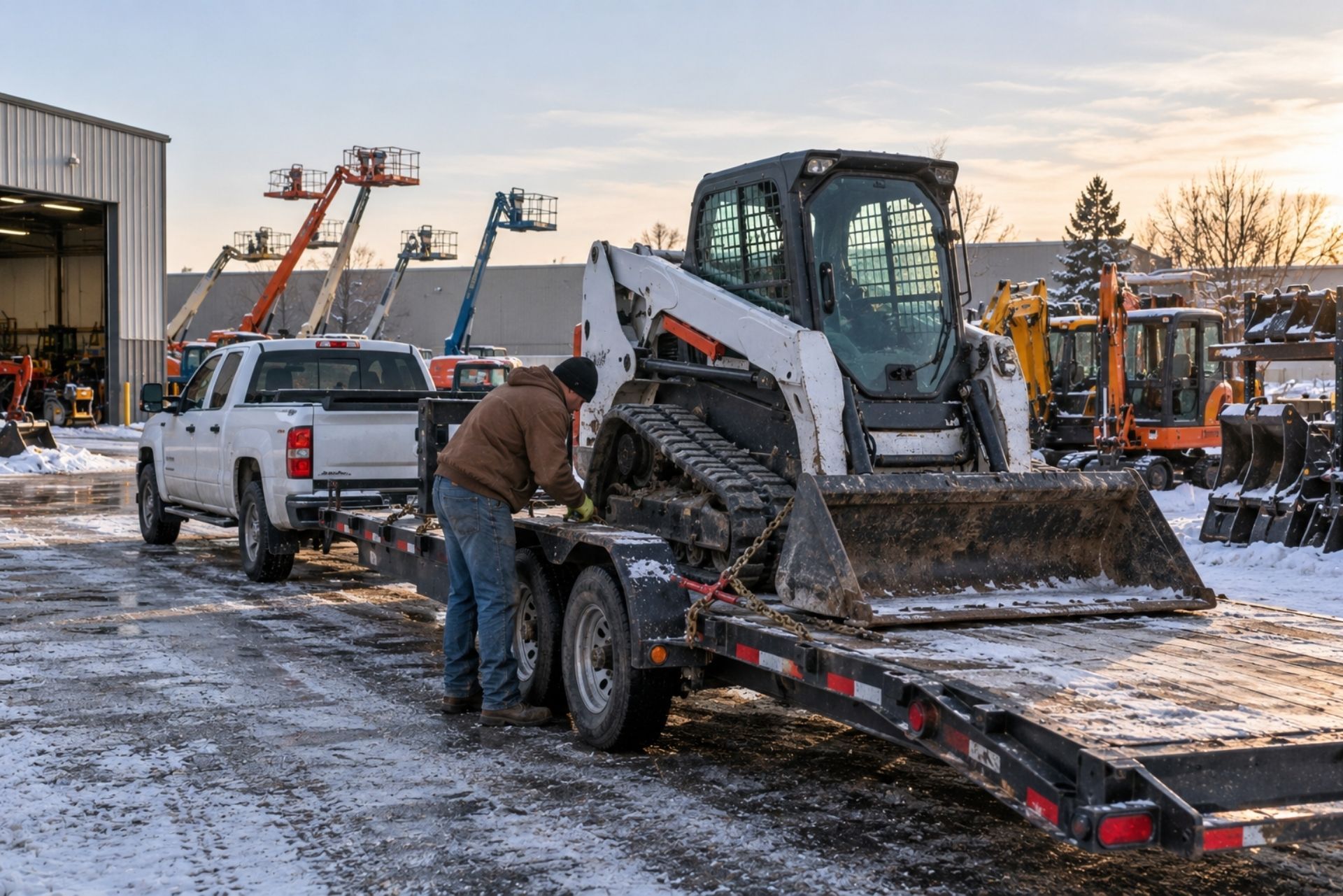
A single skid steer sitting on a flatbed trailer represents tens of thousands of dollars in value, and it only takes one rollover at a job site to wipe out months of rental revenue. Michigan's construction and landscaping seasons create intense demand for rented equipment, but that demand also brings risk: theft, customer misuse, transit damage, and third-party injuries that can land squarely on your balance sheet. If you own or operate an equipment rental business in Michigan, the insurance decisions you make today shape whether a bad week becomes a manageable claim or a business-ending loss.
Getting the right mix of coverage for your rental fleet means understanding how rented equipment policies, customer damage provisions, general liability, and
inland marine insurance work together. Costs vary widely depending on your inventory, where you operate, and how much risk you're willing to absorb. This guide breaks down each coverage type, compares policy structures, and gives you real numbers so you can make informed decisions about protecting your Michigan rental operation.
Essential Insurance Coverages for Michigan Rental Businesses
Running a rental operation means your assets spend most of their life in someone else's hands, on someone else's property. That reality demands a layered insurance approach, not a single policy you hope covers everything. Three coverage types form the backbone of protection for Michigan rental companies.
General Liability for Third-Party Injuries
General liability insurance is your first line of defense when a third party gets hurt or their property is damaged in connection with your business. If a customer trips over equipment at your yard, or a rented generator malfunctions and causes property damage at a job site, this policy responds. The standard structure is $1 million per occurrence with a $2 million aggregate limit, which satisfies most commercial lease agreements and municipal contract requirements.
Michigan small businesses typically pay between $300 and $1,500 annually for general liability, though rental operations often land on the higher end due to the inherent risk profile. Your premiums reflect claim history, revenue, and the types of equipment you rent. One thing to keep in mind: general liability won't cover damage to your own equipment. It's designed to protect against claims from others, not to replace your inventory.
Inland Marine: Protecting Equipment in Transit and On-Site
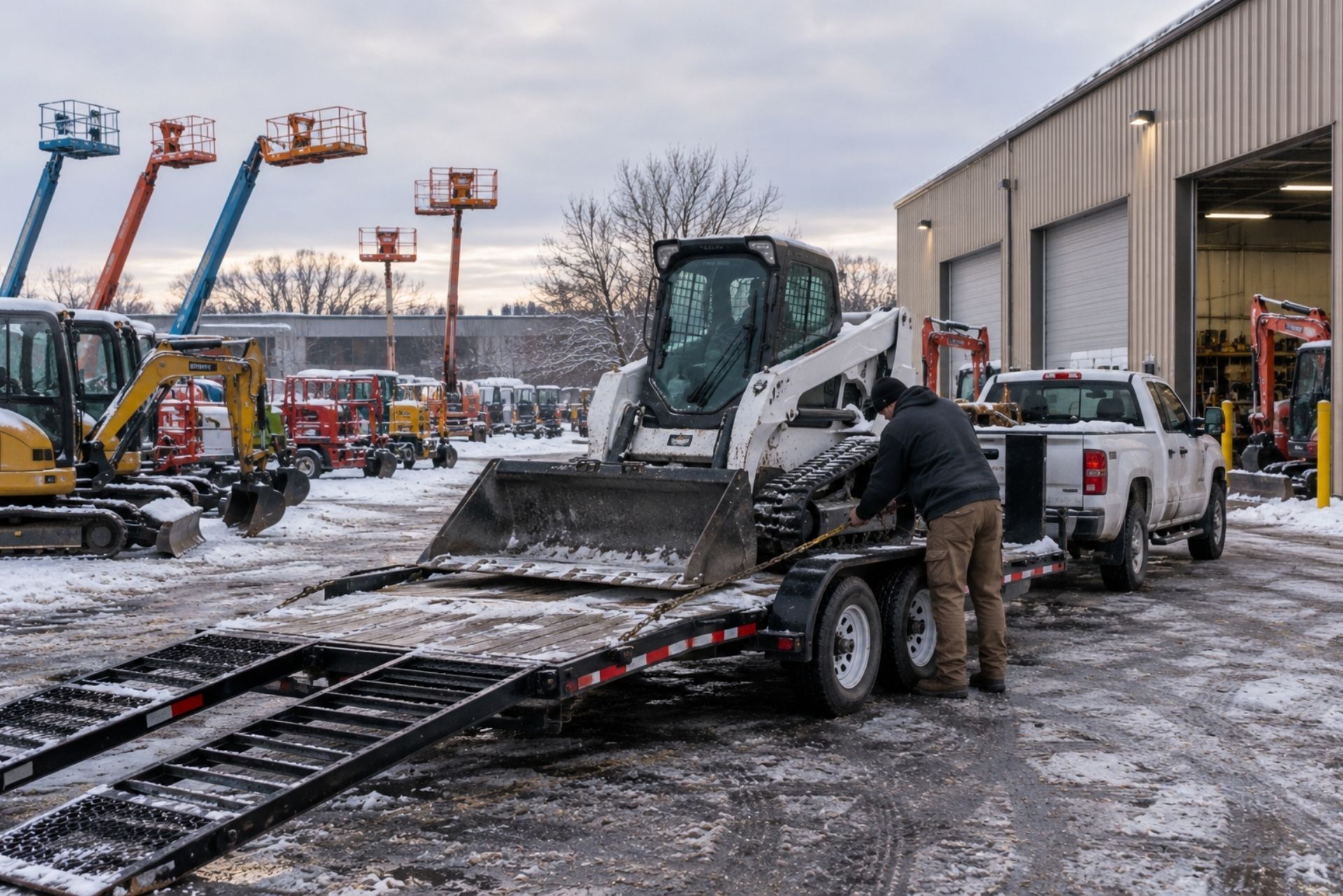
The name "inland marine" sounds odd for a landlocked business, but this coverage exists specifically for property that moves between locations. For rental companies, it's essential. Your excavators, aerial lifts, and compressors spend their working lives on trucks, at customer sites, and in temporary storage, all places a standard commercial property policy won't cover.
Inland marine policies typically cost between $350 and $1,500 per year for small businesses, though a rental fleet worth $500,000 or more will push premiums higher. These policies cover theft, vandalism, fire, and weather damage while equipment is in transit or deployed at a work site. Given that construction equipment theft costs the U.S. industry an estimated $300 million to $1 billion annually, inland marine isn't optional for Michigan rental businesses; it's a financial necessity.
Customer Damage Waivers vs. Rented Equipment Coverage
Rental companies often offer customers a damage waiver at checkout, similar to what you'd see at a car rental counter. This waiver isn't insurance in the legal sense. It's a contractual agreement where you, the rental company, agree to waive your right to charge the customer for certain types of damage. The cost of repairs comes out of your pocket or your own insurance policy.
Rented equipment coverage, on the other hand, is an actual insurance product that protects your fleet. Some rental businesses carry a blanket inland marine or equipment floater that covers the full replacement value of their inventory. The key difference: a damage waiver shifts risk back to you in exchange for a fee, while rented equipment coverage transfers risk to an insurer. Smart operators use both. Charge customers a waiver fee to generate revenue, and carry your own policy as a backstop for catastrophic losses.

By: John T. Frye, Jr
Managing Partner at Doeren Mayhew Insurance Group
Coverage Comparison: Standard vs. Specialized Policies
Not all policies are created equal, and choosing between a general business owner's policy (BOP) and specialized rental coverage can mean the difference between a paid claim and a denial letter. A BOP bundles general liability with commercial property insurance, but it usually excludes equipment that's off-premises. Specialized policies, like inland marine and equipment floaters, fill that gap.
Table: General Liability vs. Inland Marine Coverage Limits
| Feature | General Liability | Inland Marine |
|---|---|---|
| Covers third-party bodily injury | Yes | No |
| Covers third-party property damage | Yes | Limited |
| Covers your equipment off-site | No | Yes |
| Covers equipment in transit | No | Yes |
| Covers theft of your equipment | No | Yes |
| Typical annual cost (MI) | $500 - $2,500 | $500 - $3,000+ |
| Standard per-occurrence limit | $1M | Varies by schedule |
| Deductible range | $500 - $1,000 | $500 - $5,000 |
The takeaway here is straightforward: you need both. General liability protects you from lawsuits. Inland marine protects your revenue-generating assets. Trying to save money by dropping one leaves a gap that could cost you far more than the premium.
Factors Influencing Insurance Costs in Michigan
Your premium isn't pulled from thin air. Insurers evaluate specific risk factors tied to your operation, your location, and the equipment you own. Understanding these factors helps you control costs without sacrificing coverage.
Asset Value and Equipment Type
A fleet of pressure washers carries a different risk profile than a yard full of boom lifts. Insurers price policies based on total insured value, and they pay close attention to equipment categories. High-value items like excavators, telehandlers, and aerial work platforms cost more to insure because they're expensive to replace and more prone to serious accidents.
The rising cost of equipment replacement also plays a role. Supply chain pressures and inflation have driven up prices for heavy machinery over the past several years, and equipment breakdown claims have grown in both frequency and severity. If your fleet's replacement value has climbed by 15-20% since you last updated your policy, you may be underinsured without realizing it. Review your equipment schedule annually and adjust coverage limits to match current market values.
Location Risks and Local Michigan Regulations
Where you operate in Michigan affects your premiums in ways that aren't always obvious. A rental yard in Detroit faces different theft risk than one in Traverse City. Urban locations generally carry higher premiums due to theft rates and traffic density, while rural operations may face weather-related risks like lake-effect snow damage during storage and transport.
Michigan's Department of Insurance and Financial Services (DIFS), operating under LARA, oversees insurance regulation and consumer protection across the state. If you're renting vehicles or towable equipment, you'll also need to understand Michigan's
commercial auto insurance requirements, which mandate specific liability minimums for vehicles used in business operations. Failing to carry proper auto coverage on delivery trucks is one of the most common compliance gaps I see in smaller rental shops.
Common Questions About Michigan Rental Insurance
FAQ: Do I need insurance if I have a rental contract?
Yes. A rental contract protects your legal rights, but it doesn't pay for repairs, replace stolen equipment, or cover a lawsuit. Contracts and insurance serve different purposes. Your contract might allow you to pursue a customer for damages, but collecting from an individual or small business is often slow, expensive, or impossible. Insurance pays regardless of whether you can recover from the customer.
FAQ: How much does a basic policy cost per month?
A small Michigan rental operation with $100,000 to $250,000 in equipment can expect to pay roughly $200 to $500 per month for a combined package of general liability and inland marine coverage. That range shifts based on your claims history, equipment types, and deductible choices. Bundling policies with one carrier often reduces your total cost by 10-15%.
FAQ: Does insurance cover equipment stolen from a customer?
Inland marine policies generally cover theft regardless of where the equipment is located, including a customer's job site. However, your policy may require that you document security measures, GPS tracking, or contractual obligations for the customer to secure the equipment. Theft reporting data shows that recovery rates for stolen construction equipment remain low, which means prevention and proper coverage both matter. Some insurers offer premium discounts if you install GPS trackers on high-value items.
FAQ: Is workers' comp required for my small rental shop?
Michigan requires workers' compensation insurance for nearly all employers, with very limited exceptions for some sole proprietors and partners. If you have even one employee, whether full-time, part-time, or seasonal, you need a workers' comp policy. The penalties for operating without coverage include fines of up to $1,000 per day and personal liability for any workplace injuries. Don't gamble on this one.
Before You Buy a Policy
Choosing insurance for your Michigan equipment rental business isn't about finding the cheapest premium. It's about building a coverage structure that matches your actual risk exposure. Start by completing a full inventory with current replacement values, not the prices you paid three years ago. Then work with a broker who understands rental operations, not just general commercial insurance.
Request quotes that separate general liability, inland marine, and commercial auto so you can see exactly what you're paying for each layer. Ask about umbrella policies if you bid on municipal or commercial contracts that require $5 million or more in coverage. And review your customer damage waiver language with an attorney to make sure it actually holds up in Michigan courts.
Your equipment is your business. Every piece sitting in a customer's yard is revenue on the line. The right insurance package doesn't just protect against worst-case scenarios; it gives you the confidence to grow your fleet, take on bigger contracts, and operate without the constant worry that one bad day could shut everything down. Get your coverage right, and the rest of the business gets a lot easier to run.
About The Author:
John T. Frye, Jr.
Taylor Richardson is the founder and CEO of 5M Insurance. With a focus on real estate risk management, Taylor helps investors and property managers nationwide secure smarter, scalable coverage solutions—without the headaches of traditional insurance brokers.
Personal Insurance Subservices
Auto insurance offers crucial financial protection against accidents, injuries, property damage, theft, and other costly liabilities.
Homeowners insurance is not only critical in protecting your property investment and personal belongings, but also protects against potential liability claims in the future.
Even if you have adequate homeowners and auto insurance coverage, umbrella insurance policies help to cover large, unexpected losses.
Plan for the future and get peace of mind with our time-tested life insurance solutions that are customized to your unique needs.
Long-term care insurance offers coverage for out-of-pocket expenses that are generally not covered by health insurance, Medicare, or Medicaid.
Disability insurance can replace a percentage of your income in the event you are unable to work due to an illness, injury, or other health condition.
We treat every client with the utmost care and attention. However, we know high-net-worth individuals have unique exposures and needs that require specialized expertise.
How We Can Help
Contact us to learn more about how we can help protect your long-term financial security.
Related VIEWpoints



Contact Us
